
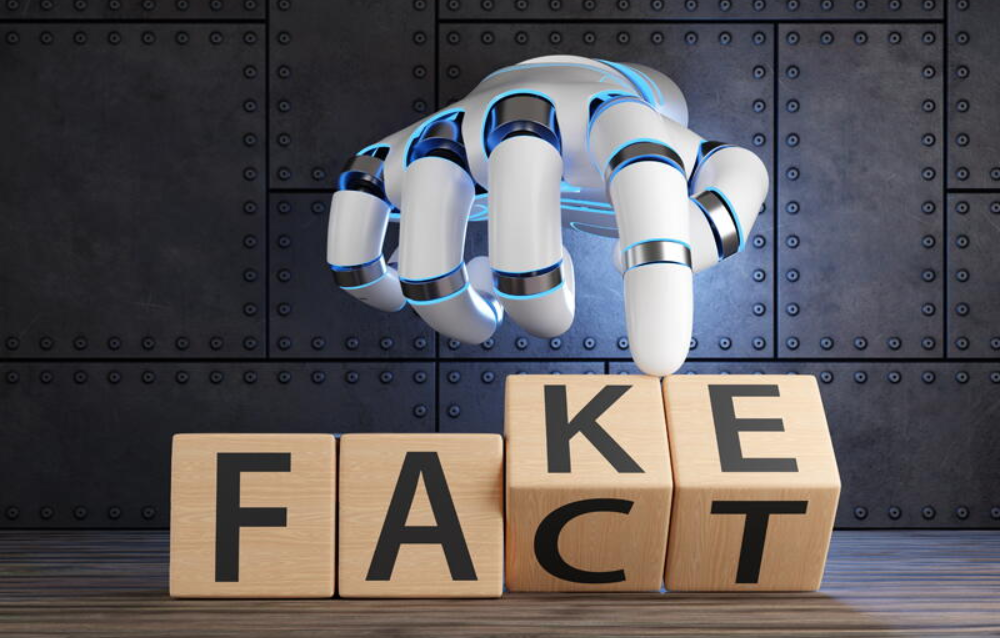
In 2026, images generated by Artificial Intelligence have become so prevalent that the average person will encounter several while browsing online. These images can, and have, led to significant misinformation and disinformation across the internet.

Nicole Antonio/ChatGPT
A photo of the Tilcayo, suspected to be AI generated.
“The problem is, these sites with AI images are sometimes regarded as reliable sources … if someone didn’t know any better, they might believe them,” said Finley Hill, a staff reporter for the Thunderword, after noticing an article was AI generated when researching about the new cat species, the Tilcayo.
Moreover, in the following weeks after the discovery of the new species, Paola Nogales-Ascarrunz, the main biologist observing the Ticlayo, found several AI stories rendered her with more caucasian features. “They made me white with blonde hair,” she said. And sometimes, she wasn’t even credited at all – the stories only credited fictional AI men.
Some other widespread examples occurred in 2024 – following the aftermath of Hurricane Helene, AI photos of stranded dogs were mistakenly broadcasted by The Animal Hope and Wellness Foundation (seen below), gathering over 2,700 likes and 1,300 shares before fact-checkers discovered the images were AI.
President Donald Trump himself has even engaged in AI disinformation, posting “I accept” to AI deepfakes of Taylor Swift endorsing him (seen below).
The surge in AI images leaves one question: how can you spot them? Unfortunately, with how advanced AI models are today, previous tells that worked, such as counting fingers, are no longer viable. Instead, there are a couple of things you can do before choosing to share an image.
If the image lists credit, where does it lead to? Is that group new or known for publishing AI images? If there is no source, look for similar photos. Tools like google lens have a “visual matches” section, which leads to similar images and perhaps the source. Images with no sources are likely not credible.
Note that AI images are sometimes oversaturated, and include distorted text. Shadows might cast in impossible places, and reflections might not look quite right. Sometimes AI can skip over background details – trees could be blurred together, patterns won’t match, etc. For videos, sometimes lips are out of sync, and voices don’t match with the person.
It’s always important to watch out for possibly AI generated images. Dr. Leon Furze, a best selling author and consultant, put together a test to see how often the public can identify such images. It’s important to learn how to navigate this rise of AI, and this test can hone that skill.

AI photos shared (unintentionally) by the Animal Hope and Wellness Foundation.

Truth Social
The President sharing AI photos.