
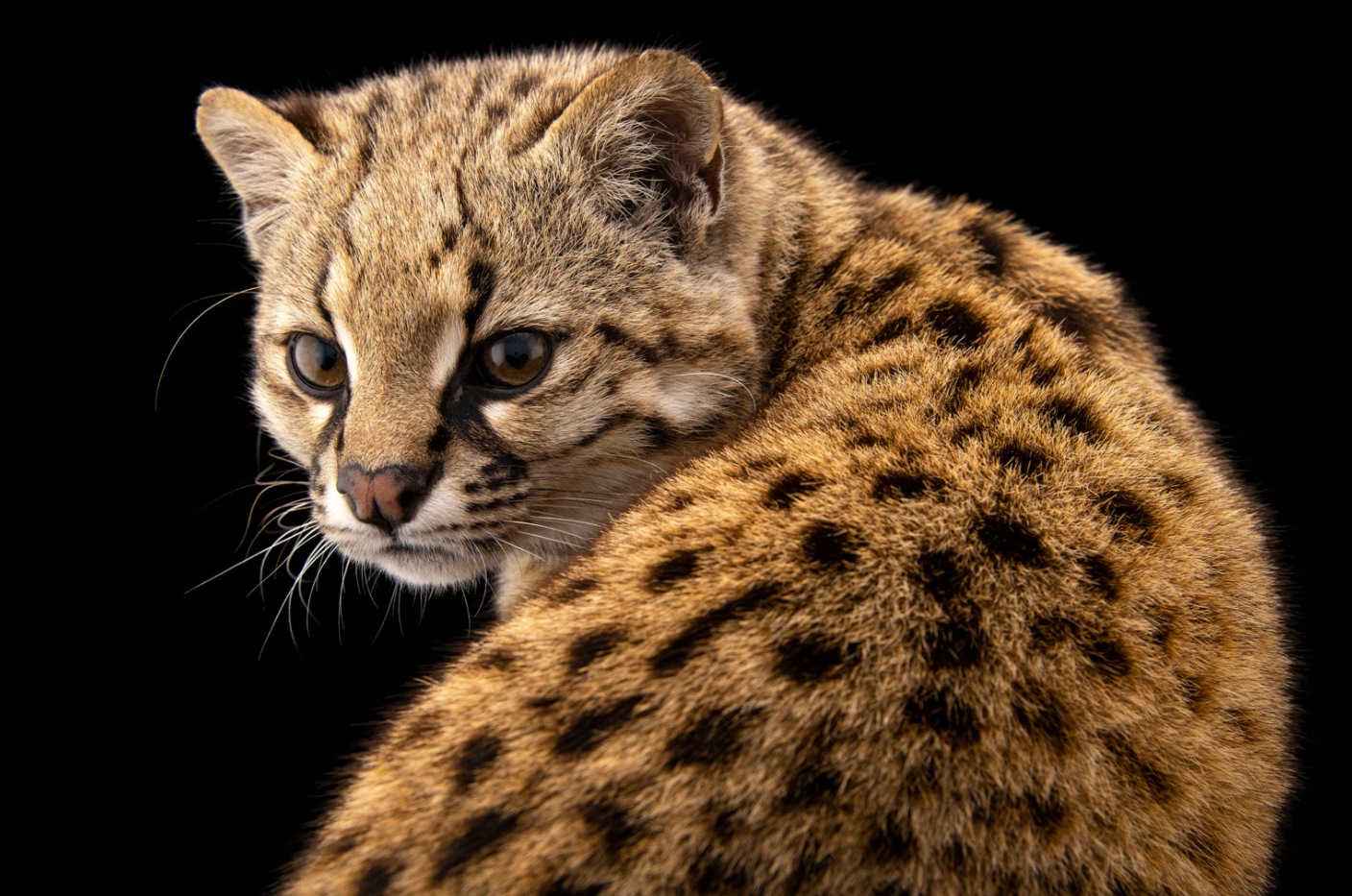
For the first time in over a century, scientists have classified a new feline species: the tilcayo. Officially classified as Leopardus tilcayo, this newly discovered species is a small wild cat native to Bolivia’s Yungas cloud forest. While significantly smaller than the average housecat (weighing just four pounds with a body length of 18 inches), tilcayo was discovered to be a 10-year-old adult male.

Joel Sartore / National Geographic Photo Ark
Scientists debuted this discovery in a study published on Sept. 17, 2026, in the journal “Current Biology”. However, this individual cat has been observed by researchers for almost a decade.
Leopardus tilcayo, originally thought to be a Leopardus tigrinus (northern tiger cat), was first discovered in 2016 by a local man who presumed it to be a domestic kitten. He took the mysterious cat home with him, but eventually gave it to the nonprofit Senda Verde Wildlife Sanctuary, realizing the cat was most likely a wild species after caring for it for around a year.
Paola Nogales-Ascarrunz, the lead scientist and founder of the Bolivian Felids Research Program, has been fascinated by tilcayo since their first meeting back in 2017. The National Geographic explorer and biologist got a call from a local wildlife center alerting her of “a weird cat” they had been given.

Joel Sartore / National Geographic Photo Ark
“I took a hundred pictures of it,” said Nogales-Ascarrunz, remembering her first encounter with the strange creature. “I was so fascinated.”
Eventually, genetic testing confirmed that this creature belonged to its own species, previously undiscovered by humans. Much about Leopardus tilcayo remains unknown, with very little current insight into their lifestyle, behaviors, and population estimates.
As for its name, “tilcayo” is what this small cat is called among locals. Many natives report that their parents or grandparents always called the mysterious creature “tilcayo”, therefore prompting scientists to make it the official name of the species.
“This is a traditional knowledge that they have in the community. We want to preserve that knowledge, and we didn’t want to give it another name,” said Paola Nogales-Ascarrunz to NBC news.

Current Biology Cell Press Journal