
Finding love is far from easy. Every generation has felt that dating is hard because love is one of the most complicated yet widely desired feelings there is. However, Gen Z has felt that they have it harder than the generations that came before them. Is this true or just whining? There’s a reason almost every song you hear on the radio is about the ups and downs of love; nobody is an expert and everybody is just trying to navigate it.
Gen Z has voiced a particular sense of difficulty compared to past generations though, with 56% of Gen Z entering adulthood never having experienced a romantic relationship (for reference, Gen Z is people born from 1997 to 2012).
Gen Z is the first generation to be born with access to the internet which has greatly shaped the way this generation lives their lives. On top of that, COVID-19 stunted a lot of Gen Z’s social skills. This led to roughly two years of school being spent in bedrooms instead of growing together. For a lot of Gen Z, those two years of being quarantined were crucial developmental years.
The internet leads to a level of performance that never really existed before. It’s very easy to curate whatever image someone wants to put forward of themselves, meaning someone could be whoever they want to be. An influencer can make their life seem super glamorous by only posting the happy and pretty parts.
Social media has created this feeling that one needs to perform which bleeds directly into how Gen Z approaches dating. Platforms that were originally meant for connection have often turned relationships into something closer to a presentation. Profiles are curated, messages are carefully worded, and interactions can feel less like genuine moments and more like auditions.

Efrain Navarro/THUNDERWORD
The pressure to be interesting, attractive, and effortlessly likable all at once can make even simple conversations feel high-stakes. Instead of learning someone naturally over time, there’s often an unspoken expectation to impress immediately, which can make authenticity harder to come by.
Dating apps amplify this dynamic even further. With what feels like endless options at the swipe of a finger, people can begin to view potential partners less as individuals and more as choices in a lineup. While apps offer convenience and accessibility, they also encourage quick judgments and short attention spans. A single awkward message or an unremarkable first impression can be enough to end something before it ever really begins.
This abundance of choice can create the illusion that there’s always someone “better” just one swipe away, making it harder for connections to deepen or for people to commit to getting to know each other beyond surface level.
At the same time, isolation has quietly shaped how Gen Z experiences relationships. The pandemic didn’t just interrupt school — it disrupted the everyday interactions where people typically build confidence and social awareness.
Casual conversations in hallways, shared lunches, and after-school hangouts were replaced with screens and silence. For many, those missed experiences weren’t just temporary — they created gaps in social development that are still being felt. As a result, approaching someone new or navigating romantic interest can feel unfamiliar, even intimidating.
These gaps often show up as stunted social skills, not in an extreme or obvious way, but in subtle hesitations and uncertainties. Reading body language, holding sustained conversation, or even knowing how to express interest can feel less intuitive.
When you combine that with the pressure of digital communication — where tone is easily misinterpreted and responses are often delayed — it becomes easy for misunderstandings to pile up. What might have once been clarified in a quick face-to-face interaction can now turn into confusion or doubt.
This environment has also contributed to a growing sense of apathy in dating culture, often expressed through behaviors like ghosting. Ending communication without explanation has become normalized, partly because it’s easier to disappear behind a screen than to have an uncomfortable conversation.
While it can sometimes come from a place of avoiding conflict, it often leaves the other person without closure, reinforcing the idea that connections are disposable. Over time, this can create a cycle where people expect less from each other and invest less emotionally as a form of self-protection.
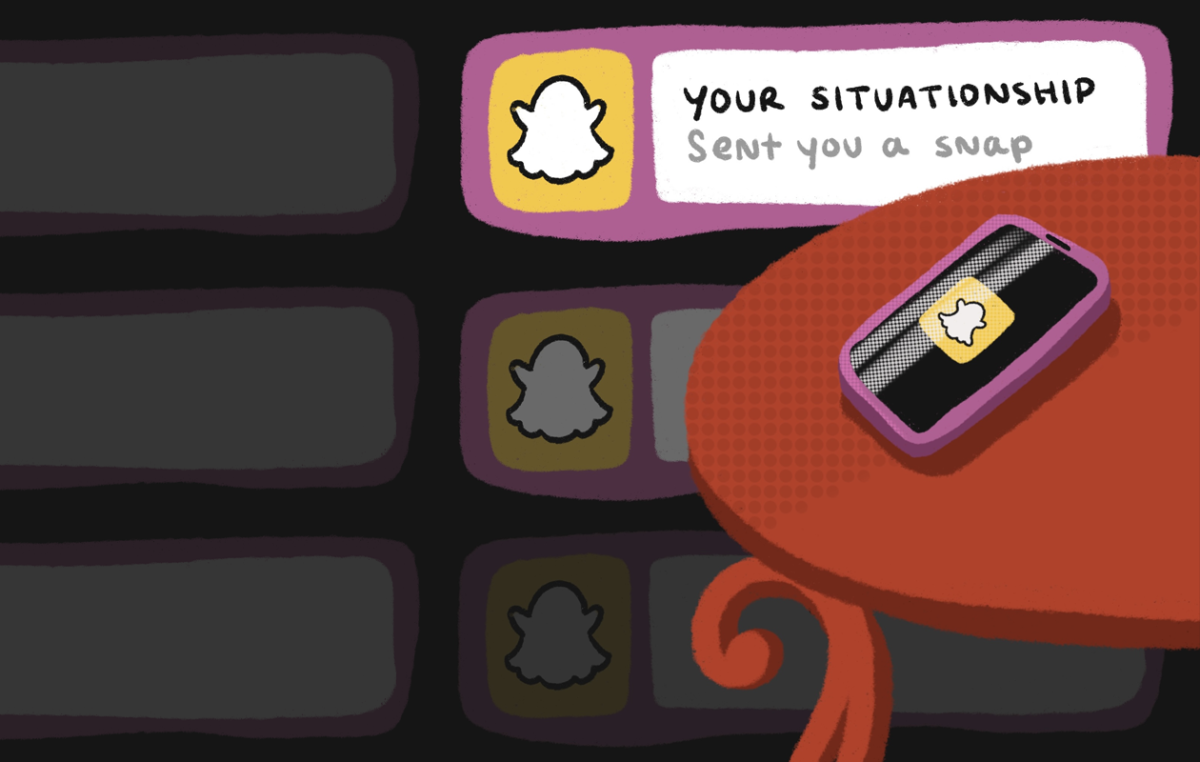
Out of this landscape, new relationship dynamics have emerged — most notably, the rise of “situationships” and casual dating. These undefined connections exist somewhere between friendship and commitment, offering companionship without clear expectations. For some, this flexibility feels freeing. For others, it can be frustrating and emotionally draining, especially when one person wants more clarity than the other.
The lack of labels can reflect a broader hesitation to fully commit, driven by fear of vulnerability, past experiences, or simply the uncertainty of modern dating norms. A lot also feel the need to jump from relationship to relationship, as if being single isn’t an option (a.k.a. serial monogamy). It’s often a manifestation of rising anxiety and insecurity amongst Gen Z.
When you put all of these factors together, it becomes clear that Gen Z isn’t necessarily worse at dating — they’re navigating a completely different environment. The combination of digital performance, endless choice, social disruption, and evolving relationship norms has fundamentally changed what it means to connect with someone.
Love is still as desired and complex as ever, but the path to finding it has become less straightforward. In a world where connection is constant yet often superficial, the challenge for Gen Z isn’t just finding someone — it’s figuring out how to build something real in the middle of it all.