
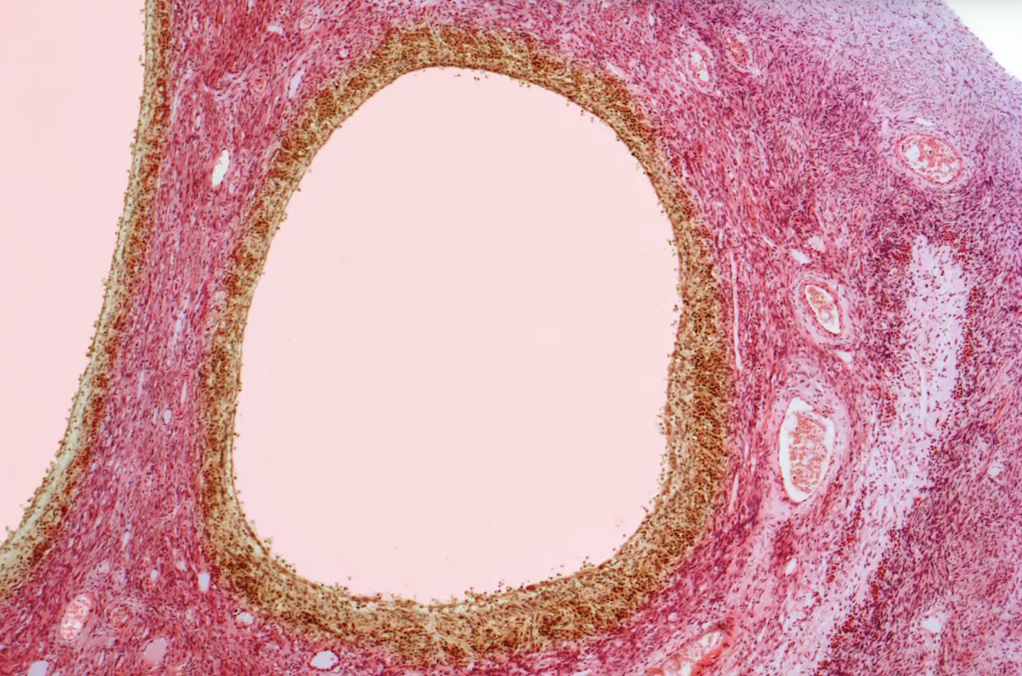
Polycystic ovary syndrome (PCOS) officially has a new name that will hopefully help people improve diagnosis and treatment: polyendocrine metabolic ovarian syndrome (PMOS). This name change was brought about due to concerns that the old name placed too much emphasis on the presence of cysts and ovaries, while the syndrome is more accurately depicted as a hormonal or endocrine disorder.
PMOS is a condition that impacts one in eight women and AFAB individuals, yet the average time it takes for someone to be diagnosed is between three and five years. Since this condition was largely considered to be exclusively reproductive in nature, the treatment lacked patient-centered focus.
Many individuals suffering from the condition were merely given contraceptives and told to come back if or when they were trying to conceive.
Symptoms of PMOS include irregular periods, acne, mood changes, excessive hair growth, weight gain, and fertility issues. Symptoms typically present themselves in a person’s late teens to early 20s.
The name change was a process that took over a decade and involved tens of thousands of people. The original name, PCOS, came about from when the condition was first discovered. Doctors had looked at ovaries under a microscope and noticed “fluid-filled sacs” that they initially thought to be cysts, hence the term “polycystic”. Not only are those sacs not actually cysts, but not all individuals with PMOS have these sacs in their ovaries, so the name is a bit of a misnomer.
A more telling indicator of the condition is elevated levels of androgens, which are male hormones. Elevated androgen levels can lead to insulin resistance (which leads to higher rates of type 2 diabetes and obesity, among other conditions) and also an increased risk for anxiety, depression, sleep apnea, endometrial cancer, the list goes on.
The updated first three parts of the acronym seek to provide clarity for those with the condition and also create more focus for researchers and doctors who are studying and diagnosing the condition. The word “polyendocrine” addresses the hormonal indicator, “metabolic” takes the risk for diabetes and heart disease into account, and “ovarian” maintains the feature of fertility and ovulation difficulties. Overall, this name is a much more accurate representation of the life-long condition.
This name change is not a cure, but rather a clarification. In fact, there is still no cure for PMOS. Individuals with the condition are often told to make lifestyle changes or are merely given aids, such as hormonal contraceptives, metformin (controls blood sugar), and, recently, GLP-1 receptor agonists, which can help with weight loss and blood sugar management.
The hope is that this name change will serve as the first step towards further research and improved treatment. PMOS has been misunderstood for far too long, so hopefully this small step will be the first of many towards a better understanding of this condition.