
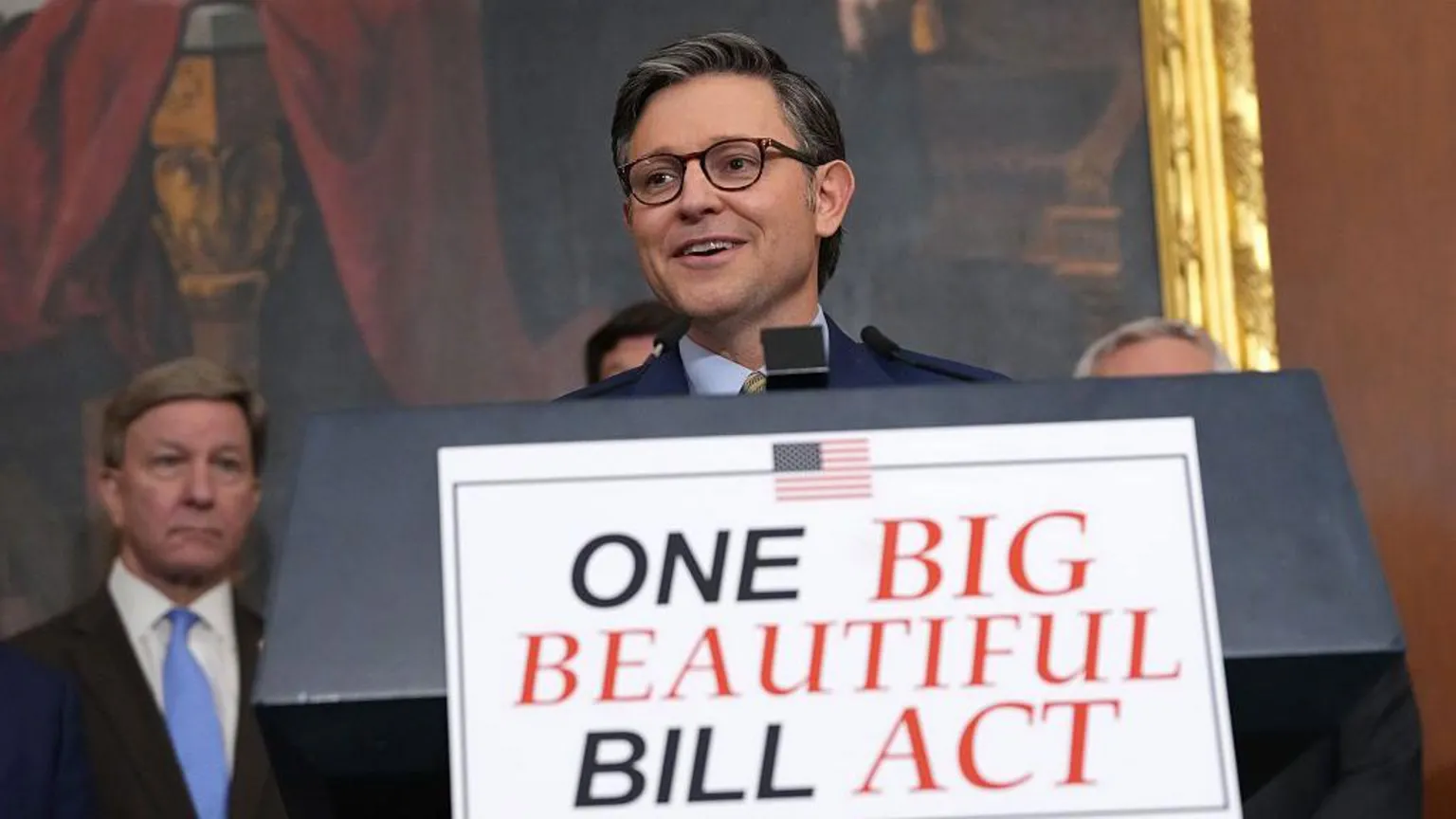
The “One Big Beautiful Bill Act” (OBBA) is Donald Trump’s multi-trillion dollar budget reconciliation, after being battled out by the legislative branch, it has been signed into law with presidential approval. The OBBA has garnered harsh headlines due to its drastic cuts to American institutions such as Medicaid and Supplemental Nutrition Assistance Programs (SNAP).
For students, faculty, and staff of Highline, below are the effects this will have on our community.
These changes disproportionately target part-time, working students, as well as differently-abled students. Around 46% of Highline students are part-time, meaning they are enrolled in fewer than 12-credit hours per quarter.
The median age of Highline students at enrollment is 21 years old. These students usually have jobs or other varying life circumstances. With no provision to lower cost of living, or tuition fees, the gaps in the OBBA’s coverage towards education are vast.
For the students depending on loans to fund their education, say goodbye to comprehensive repayment plans. Instead, the bill leaves two options for borrowers in the repayment process.
First the standard repayment plan. This is fixed monthly payments over the span of 10 to 25 years, depending on the loan amount. The monthly payment is a minimum of $50. For most of the eligible loans for this plan, repayment begins six months after graduation. For some, interest may accrue during that six month grace period. No loan consolidation plans are automatically applied to the standard repayment plan.
Next, the repayment assistance plan (RAP). This is pre-taxed, income-based payments ranging from 1% to 10% of a borrower’s income. This new plan shares some similarities with existing income driven repayment (IDR) plans, however due to mandatory interest structures over the course of the loan, student payments will increase.
RAP does not include adjustments for inflation. RAP penalizes married borrowers both utilizing RAP assistance, by combining interest rates. Other loan terms, such as repayment period and loan consolidation options are similar to the standard repayment plan.
The OBBA also eliminated income-based forgiveness plans, such as the widely popular SAVE act. For the 74,800 Washingtonians that enrolled in this plan, a new plan for repayment may be needed.
Currently no new income-based forgiveness plans have been introduced as a replacement. For more information on how your student loan may be impacted, make an appointment with financial aid, or reach out to your loan officer directly.
Next on the chopping block, are vital health care and food assistance programs.
The OBBA tightens eligibility for Medicare recipients first by enacting that beneficiaries maintain 80 hours per month in either work, approved volunteering, participating in job training, or attending school. This change would affect adults aged 19 years old, and on.
Currently, Washington state has no work requirements for any healthcare benefits. Highline’s credit maxim per quarter is 23 credits. Meaning, if a student was enrolled in the maximum allowed amount, they would only average 40 hours per month. Meeting only half of the federal requirements.
This new work requirement is two fold. Along with the need to increase workloads, program users will have to electronically file documentation to prove eligibility. This means arranging monthly schedules around meeting document deadlines, as well as finding devices to meet this new redundant need.
This questionable move also increases federal administration costs, detracting from funding available to eligible program participants. Historically, administrative requirements are very successful in deterring eligible beneficiaries from receiving benefits.
Of Highline members, 46% have an annual family income of less than $30,000 per year. Typically making them eligible for both Medicaid and SNAP benefits.
For Highline individuals currently enrolled in federal food assistance programs, the OBBA proposes 20% cuts to the program. Currently this assistance is fully federally funded, causing states to pick up the slack. Without a definite response from the state legislators, this reduction, and thousands of Washington state families, hangs in the balance.
For affected Highline members, worried about food insecurity, the Highline Community Pantry, might be a short-term help. This program is open to any with a college ID number. Located in Building 16, room 180, their hours are Wednesdays from 11 a.m. – 1 p.m. and Thursdays from 1 – 4 p.m.
Medicaid and SNAP programs often enable individuals and families to belay worries surrounding their basic needs. Instead allowing them to shift focus to other goals such as education.
Tukwila Food Pantry Board member, and Highline alum Liv Lyons notes, “As someone who has worked, not just as a student, but in the non-profit spaces before…SNAP & Medicaid have nearly everything to do with an individual’s, and a community’s, well-being. [These programs] better equip individuals to be proactive in society. These individuals give more back economically to the community after they receive these benefits. It allows them to be more equipped to take care of each other.”
This disastrous bill will soon become federal law, and Highline will feel the impact. Students, faculty and affected ones stay vigilant, stay informed, and stay safe.