
Author's Page
Learn more about Sher Mehryar and get to know the person behind the posts you have read.

Sher Mehryar is a Hazara-Persian journalist, storyteller, and cultural practitioner from Afghanistan, currently based in Washington State. With over seven years of experience in cultural reporting and Farsi-language copyediting, he has contributed extensively to the Farsi-language news outlet Etilaatroz. He is the host of Pors-o-Goft, a podcast featuring in-depth conversations on culture, society, and contemporary issues in Farsi. Sher is currently studying journalism at Highline College. His work explores questions of identity and ethnicity, with a particular focus on the social and cultural dynamics of Afghanistan, Iran, and the broader Middle East.
Sher Mehryar's Recent Posts:
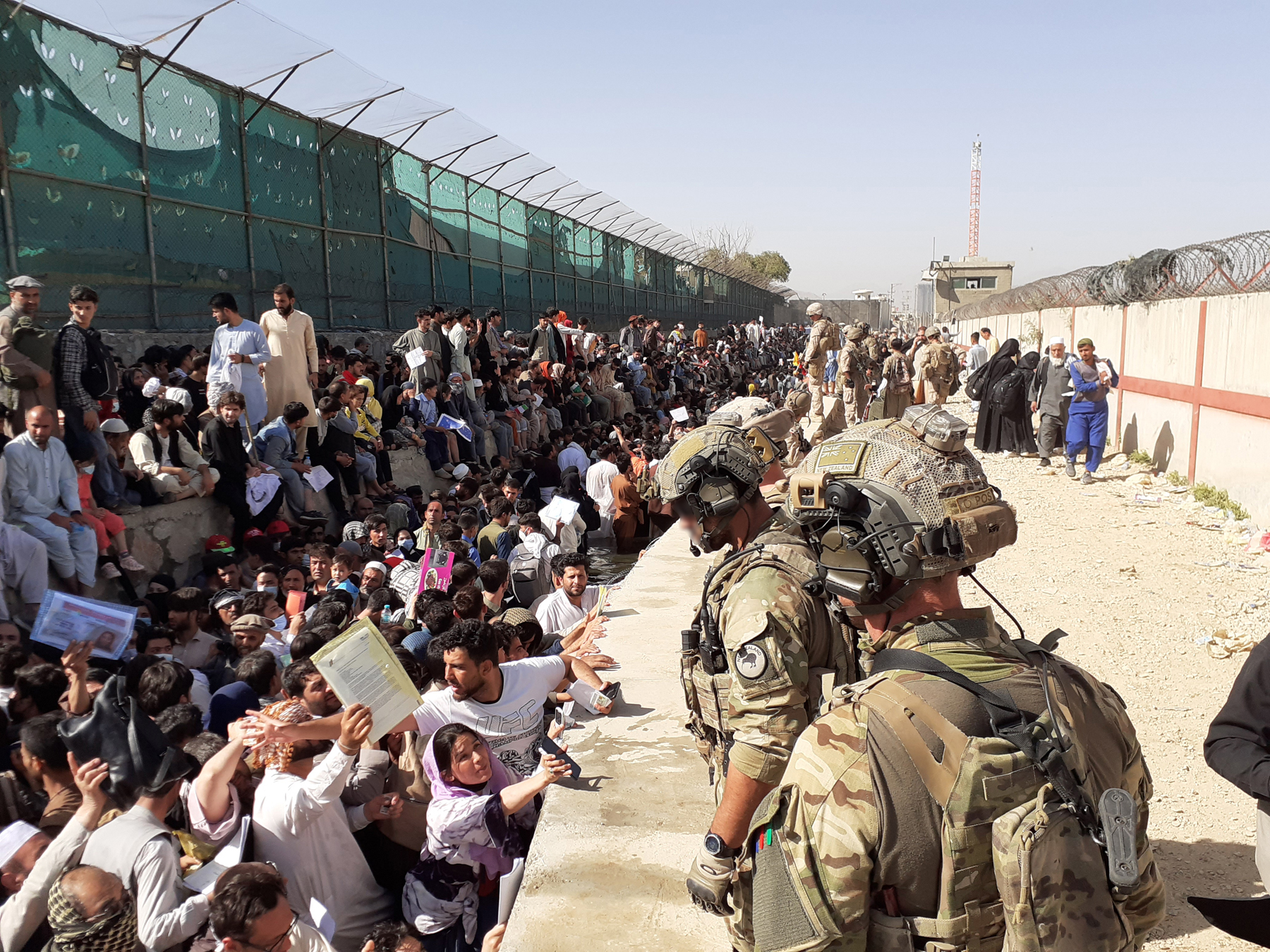
On Aug. 15, 2021, when the U.S.-backed government collapsed and the Taliban took control of Afghanistan, one of the first places where the consequences became visible was Kabul’s international airport.
Tens of thousands of people rushed to the airport, desperate to leave. Some were fleeing fear of the Taliban. Others were searching for a way to reach what they believed would be a safer and better future in the Western world.
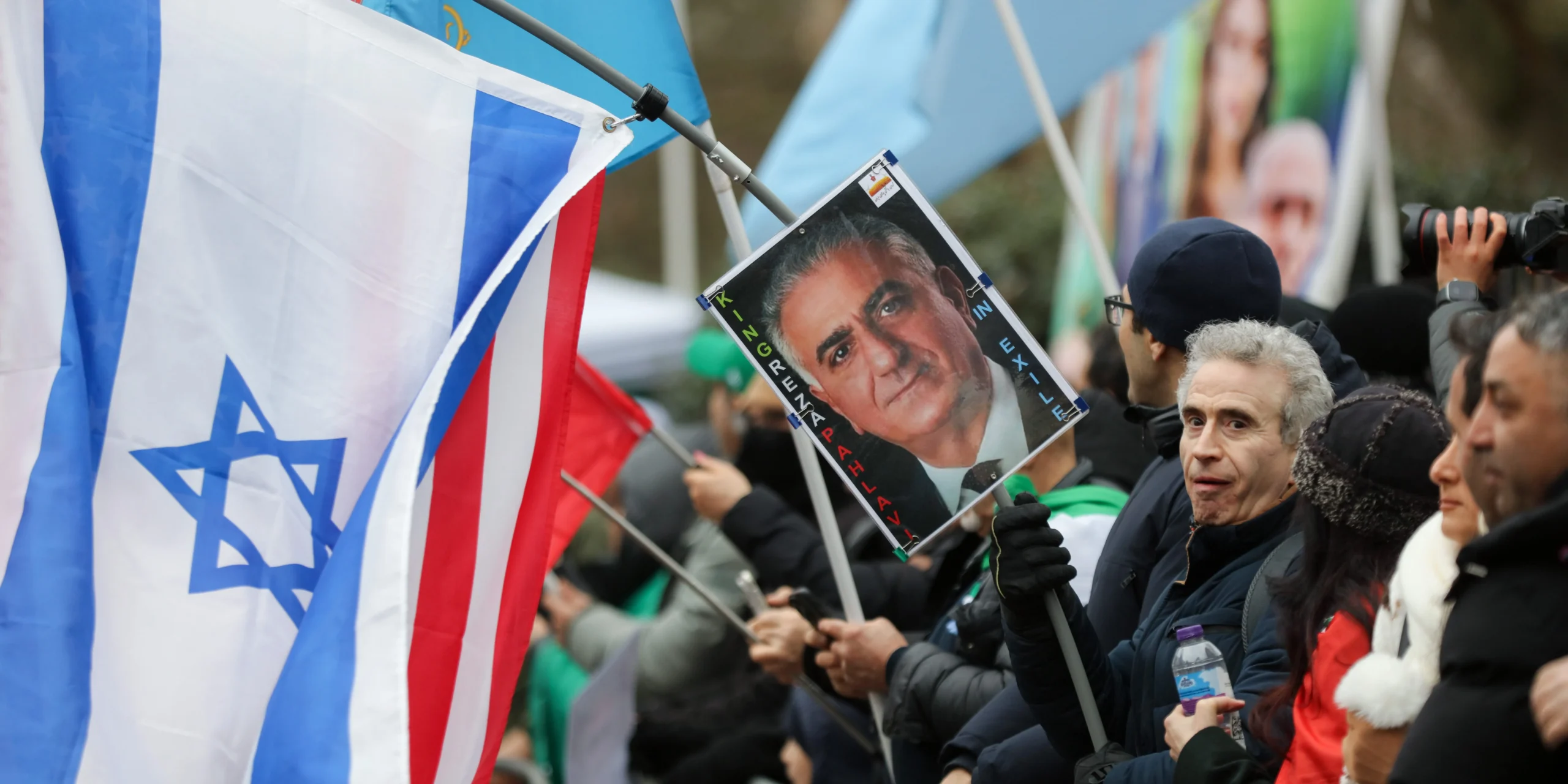
As tensions between Iran, the United States, and Israel have intensified, one political movement has become increasingly visible both inside and outside Iran: the royalists.
While many Iranians fear the prospect of another war, a significant number of royalists have welcomed outside pressure on the Islamic Republic, including military action, seeing it as a possible path to political change.
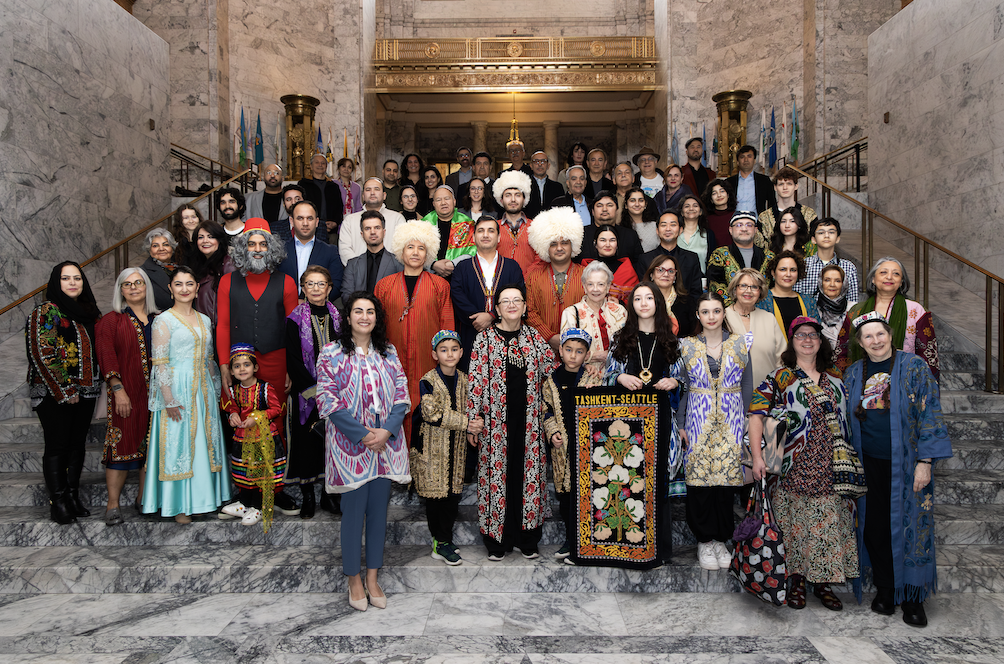
Nowruz, the Persian New Year marking the spring equinox, has been celebrated for more than three millennia across regions of Central and Western Asia. Today it is observed by more than 300 million people across different regions, including diaspora throughout western countries.
This short documentary by a Highline College student explores the celebration of Nowruz in the Seattle area. Through the experiences of immigrant communities in King County, Washington, it reveals how the Persian New Year continues to thrive in migration—reimagined in new cultural settings while remaining deeply rooted in memory, identity, and belonging.
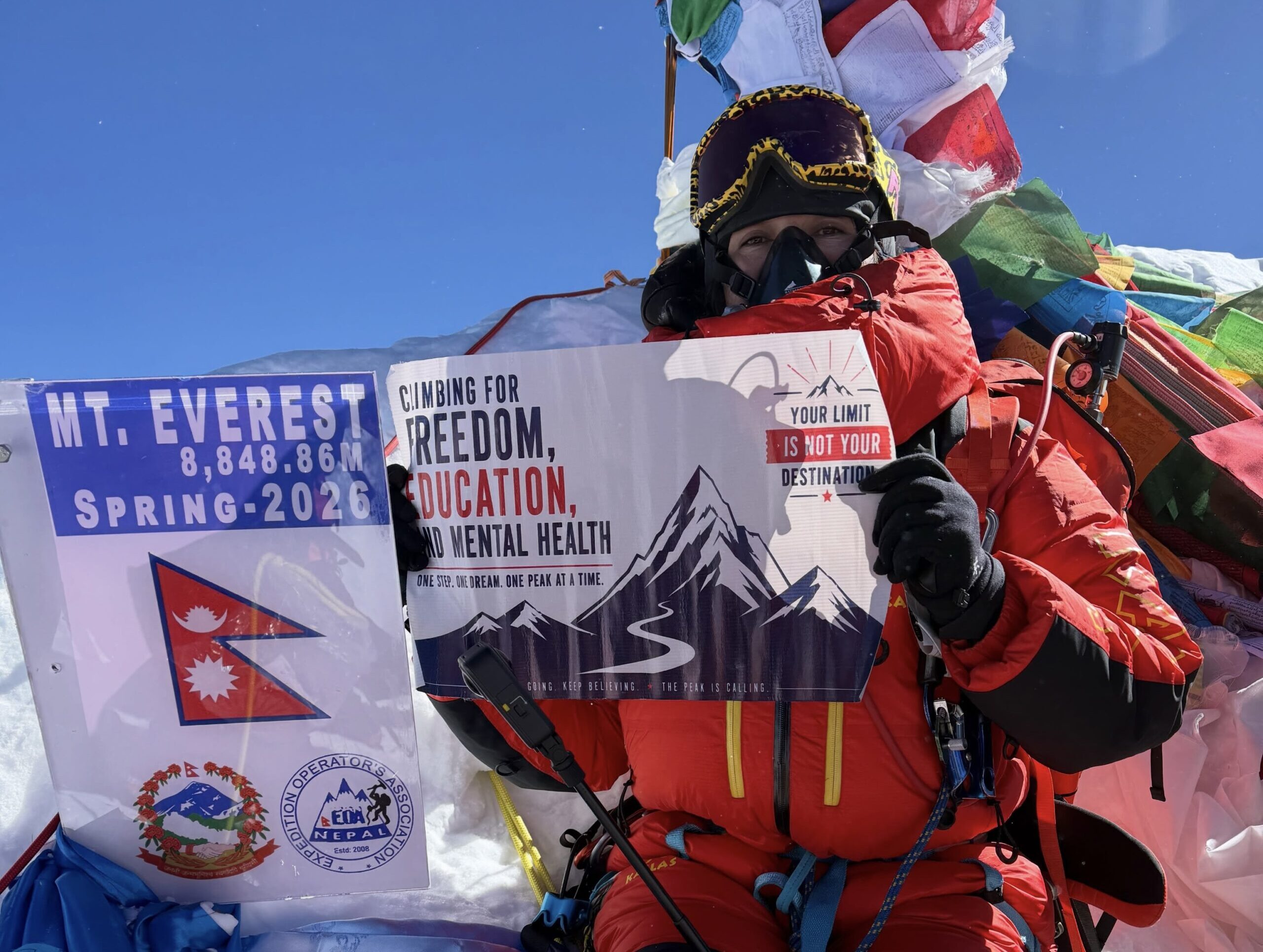
On May 21, 2026, River Ahmad stood on the summit of Mount Everest. At 8,849 meters above sea level, she became the first woman from Afghanistan to reach the highest point on Earth.
She dedicated the journey to mental health awareness and to the education of women and girls in Afghanistan. For her, the mountain was a platform to tell a much bigger story.
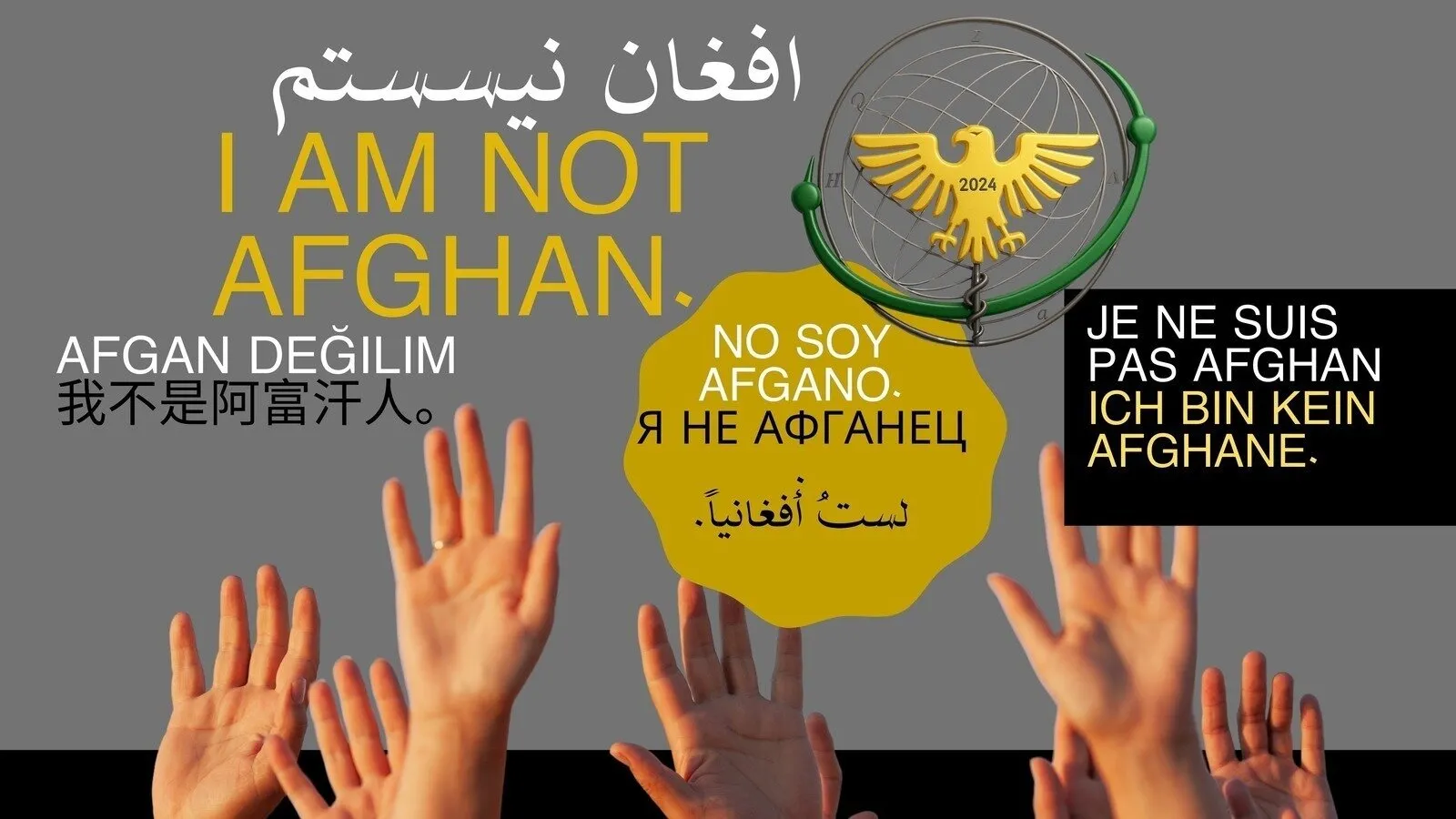
In the middle of heated debates on X, formerly known as Twitter, a phrase appears again and again from thousands of people from Afghanistan: “I am not Afghan.” For many outsiders, this can seem confusing. After all, Afghanistan is the name of the country. Wouldn’t “Afghan” describe everyone from there?
For people from Afghanistan, however, the issue is a bit complicated. It is tied to history, ethnicity, language, power, and identity — and to a feeling, shared by many non-Pashtun communities, that one group’s identity was turned into the identity of an entire nation.
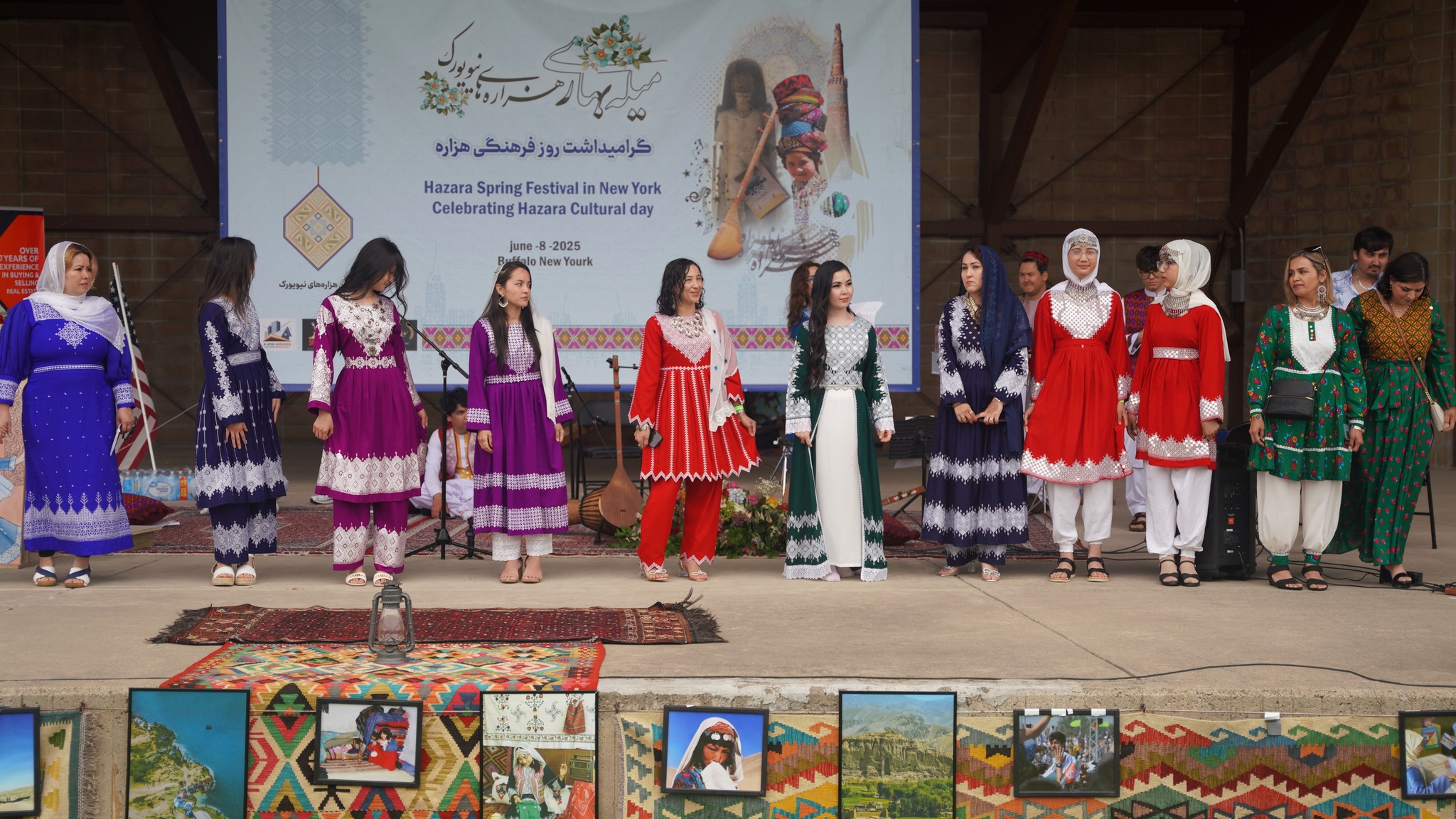
Every year around May 19, colorful Hazaragi dresses appear across social media feeds. Traditional songs echo through community halls and parks in cities thousands of miles far from Afghanistan. Young people dance local Hazaragi dances beside elders who carry memories of exile, war, and loss. Tables fill with steaming plates of Hazaragi dishes. For one day, scattered communities across the world feel connected again.
It is called International Hazara Culture Day — a celebration born not only from affirmation, but from survival.

We live in a culture that celebrates pride. Pride in where we come from, in what we’ve achieved, in who we are. It is woven into the language of social movements, graduation speeches, and everyday conversation.
But it’s worth pausing to ask: How much of this pride is genuine? What does it actually do, and does it serve us as well as we assume?
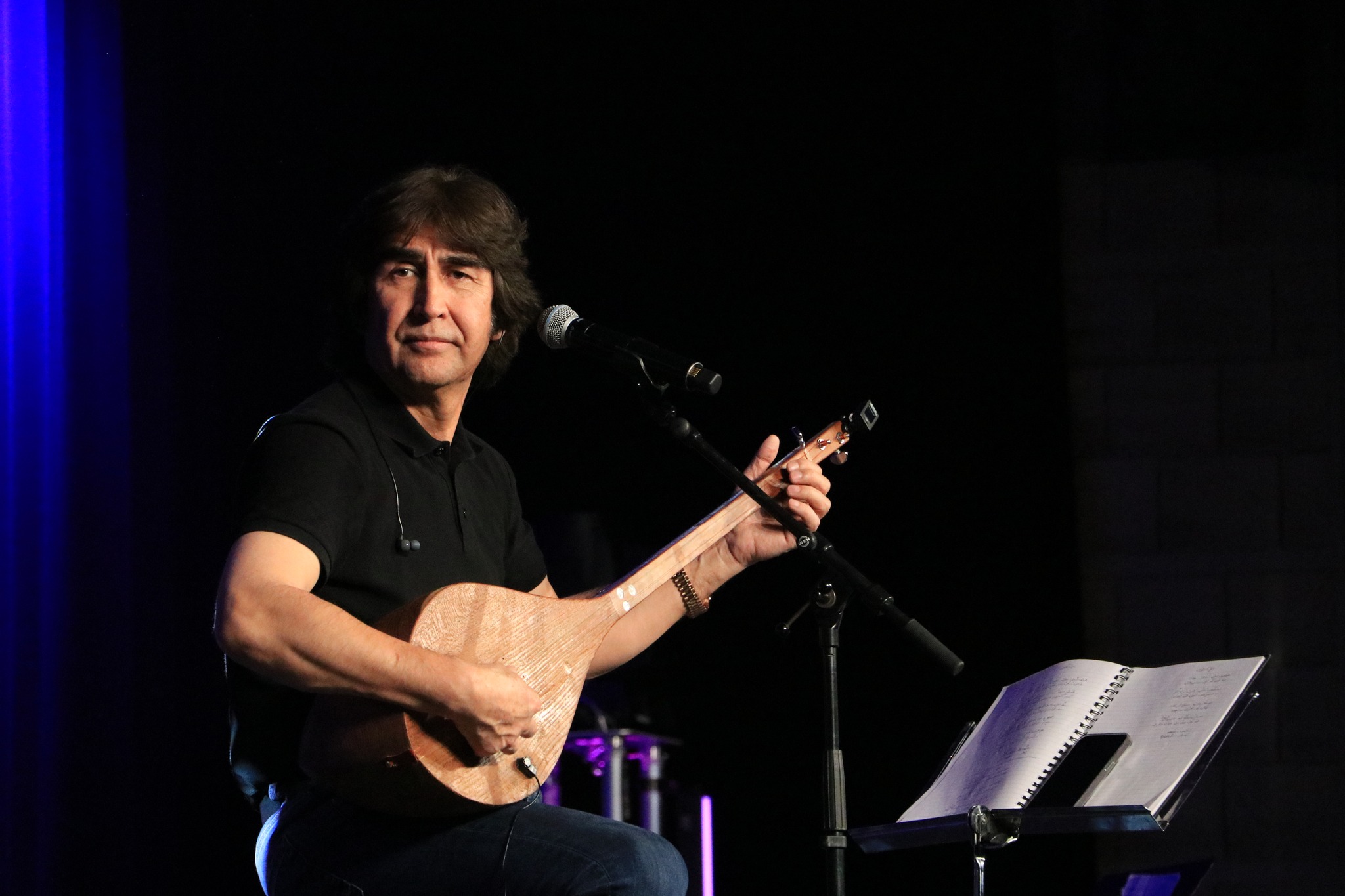
Around April 26, my Facebook feed filled with the same face, the same voice. Old concert clips resurfaced. Grainy recordings from decades ago played again. People were not just celebrating – they were holding on.
It was the birthday of a renowned Hazara singer, Dawood Sarkhosh. But that wasn’t the whole story.
For years, Sarkhosh’s birthday has not been like this. This time felt different. The flood of messages carried something heavier: gratitude, memory, and a quiet, unspoken fear.
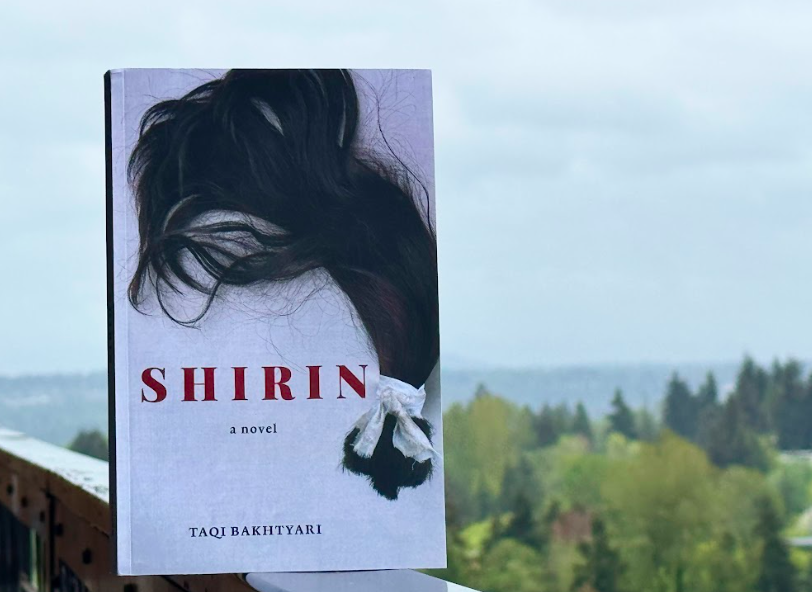
I didn’t come to “SHIRIN: A Novel” for literature. I came because someone once said its author should be silenced.
In late 2012, Taqi Bakhtyari’s second novel, “Gomnami” (Anonymity), sparked outrage in Afghanistan. A radical cleric called it blasphemy—for questioning religious authority, for suggesting that women, not God, are the true creators of life. That was enough to exile him. It was also enough to make me read him.
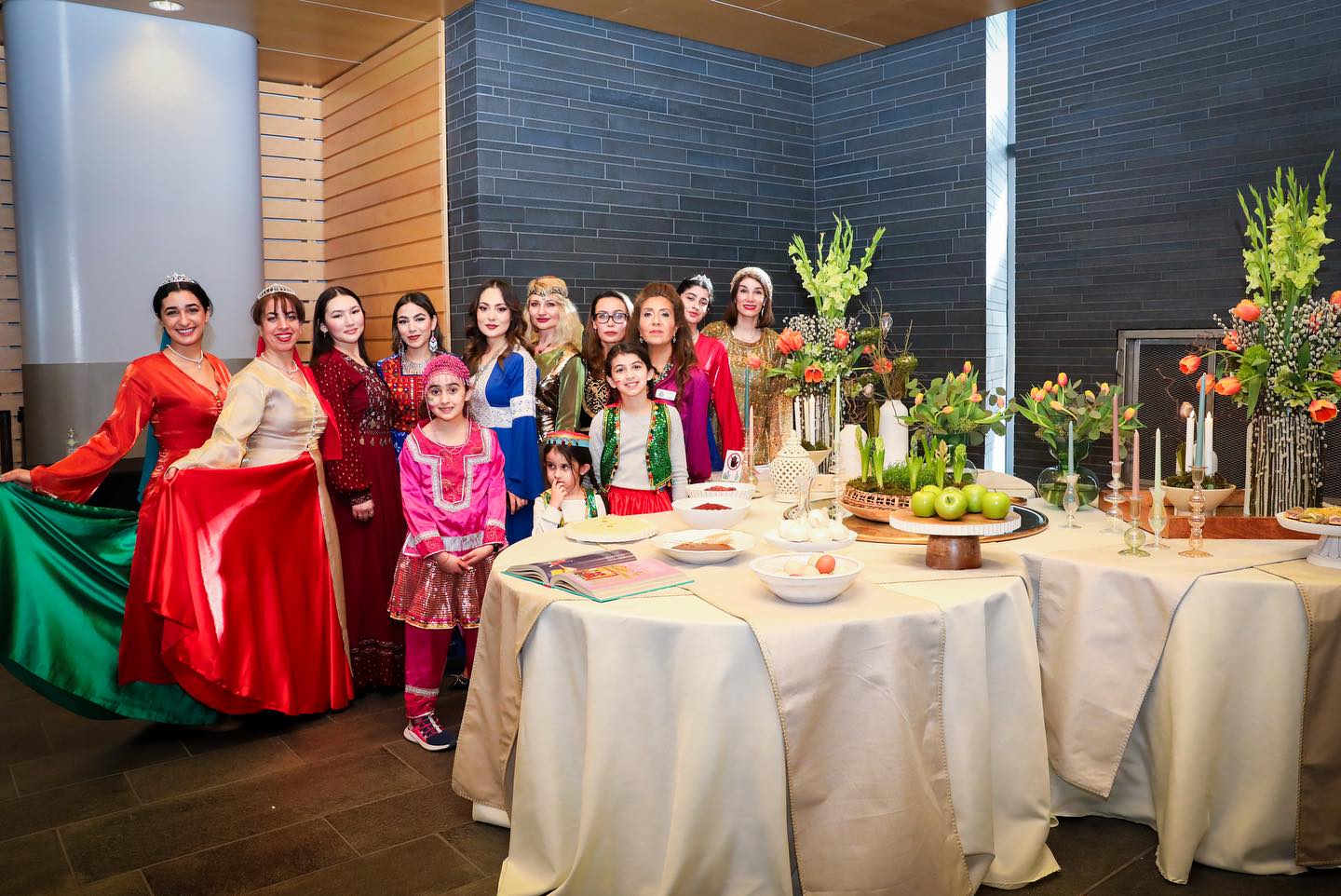
Every year, as winter loosens its grip and the first days of spring arrive, millions of people across the world mark the occasion with one of humanity’s oldest celebrations. Nowruz — literally meaning “new day” in Persian — has been observed for over 3,000 years. Rooted in ancient Persian civilization, it begins at the precise moment of the spring equinox, usually March 20 or 21, when day and night are nearly equal in length.
Nowruz has evolved from quiet family gatherings into prominent public celebrations. What once unfolded in private living rooms now fills Seattle City Hall, public libraries, performance centers, university halls, and the Washington State Capitol.
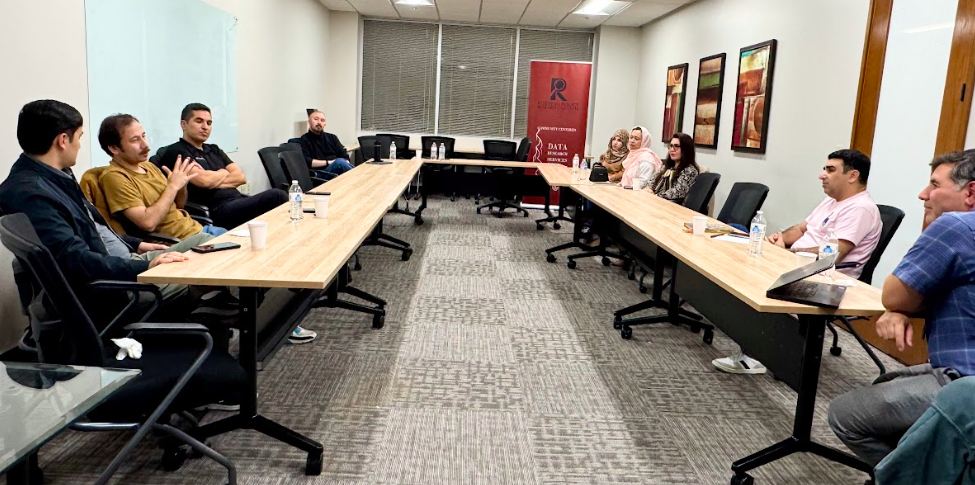
On the second Friday evening of every month, a room in south King County fills with the sounds of poetry, music, and animated conversation in Persian. Tea is poured. Books are passed from hand to hand. Someone begins to read a poem aloud, and the room grows quiet.
This is the Mother Tongue Literary Circle, a grassroots initiative formed last November by Persian-speaking immigrants from Afghanistan. What began as a simple idea — to gather and read together — has quickly grown into a vibrant space where language, culture, and identity are nurtured far from home.
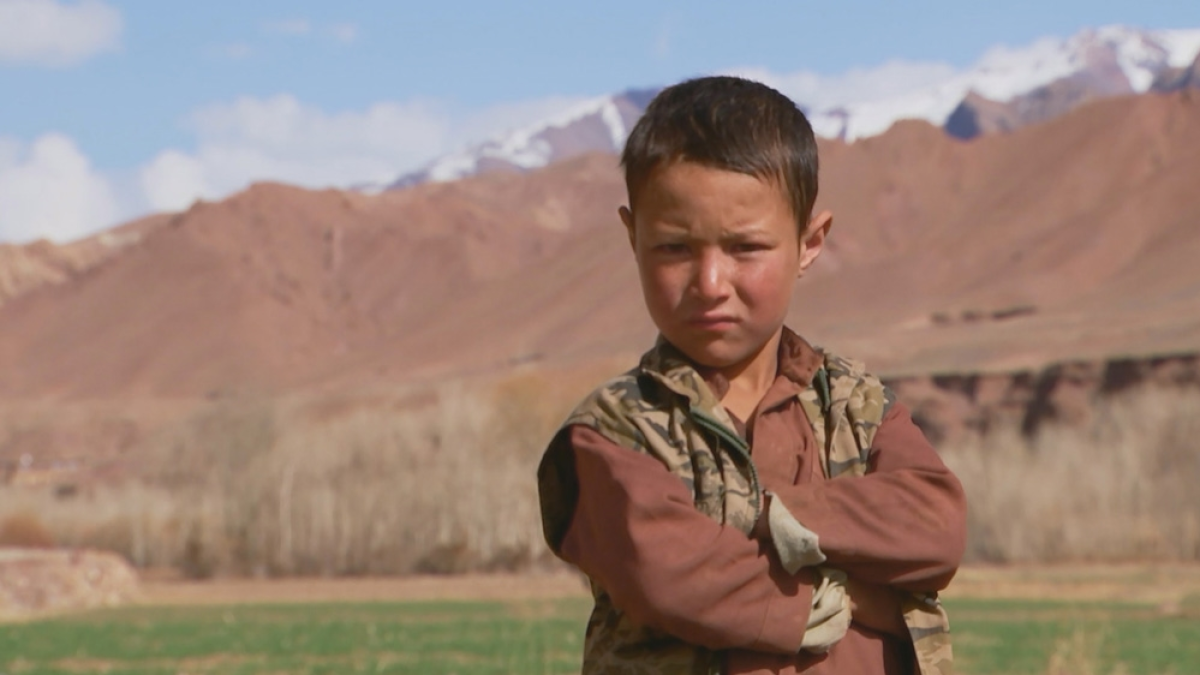
I was born and raised in a remote, mountainous village in central Afghanistan. As a child, the world arrived to me already divided into two categories: Aowghoo (Afghan) and Azra (Hazara). These were not official terms or textbook definitions. They were lived realities, carried through stories, warnings, jokes, and silences, and passed down from one generation to the next.
In the language of my family and community, Aowghoo meant the oppressor – cruel, violent, and unjust. Azra meant the oppressed – innocent, vulnerable, and perpetually under threat. We were Azra. This binary did not simply describe the world; it organized it. It shaped how we understood power, danger, and morality long before we had words like ethnicity or social hierarchy.