
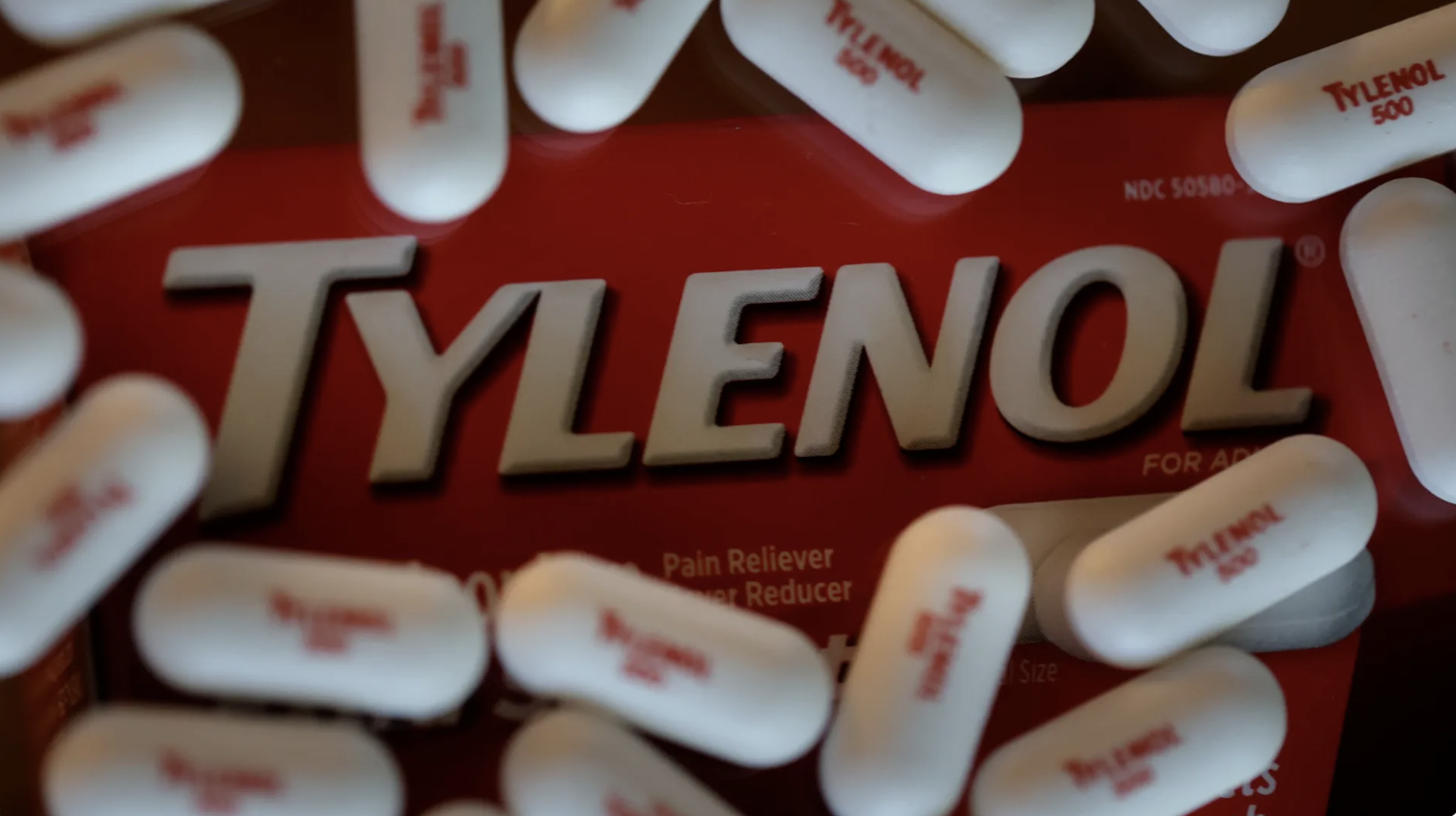
At a recent White House press conference, Donald Trump, with Robert F. Kennedy Jr. in tow, publicly stated that taking Tylenol during pregnancy can cause autism in children, despite this claim being widely unsupported by science.
In the Sept. 22 press conference, Trump stated that “taking Tylenol is not good — I’ll say it: It’s not good,” and further asserted that communities without access to Tylenol have “no autism.”

Andrew Harnik/Getty Images
How the claim started
A group of parents of children who were diagnosed with autism or ADHD filed suit against Johnson & Johnson in 2022, claiming that the primary ingredient in Tylenol, acetaminophen, caused such diagnoses. Dr. Andrea Baccarelli, the cited scientist involved with the study, was paid $150,000 to research the claim and support the plaintiffs.
Denise Cote, the judge overseeing the case, rejected Baccarelli’s testimony and stated that Baccarelli “cherry-picked and misrepresented study results and refused to acknowledge the role of genetics in the etiology.”
Baccarelli was the senior author on a review from a Harvard-led team that found an association with Tylenol usage during pregnancy and autism. This study was cited during the White House press conference where Trump was quoted with anti-Tylenol sentiments.
Is there evidence of such a claim?
Many medical experts have weighed in and stated that the evidence that taking Tylenol during pregnancy causes autism is unsupported. In fact, many scientists state that Tylenol is one of the safest pain relievers that can be taken during pregnancy. Many peer-reviewed studies have found there is no link between Tylenol and autism. One was conducted in Sweden and involved 2.5 million Swedish children. Another was done in Japan and involved 217,000 children.
Some reviews find an association with Tylenol usage during pregnancy and autism, such as the Harvard-led study mentioned above, but it should be noted that no causative link was found. This means that while the review found that people who took Tylenol during pregnancy were associated with having children with autism at higher rates, there was no evidence found that the Tylenol itself was the cause of autism.
Can pregnant people safely take Tylenol?
Yes! As far as many scientists have researched, Tylenol is one of the safest pain-relievers one can take during pregnancy, but pregnant individuals should always consult their doctor before starting any new medications.
What factors are actually known to cause autism?
A combination of genetic and environmental factors can lead to autism. It has been found that autism tends to run in families, with anywhere from a 60-90% of autism risk being tied to genetics.
What about environmental factors? Some factors that may contribute to autism include “advanced parental age, prenatal exposure to air pollution or certain pesticides, maternal obesity, diabetes or immune system disorders, extreme prematurity or very low birth weight, and birth complications leading to periods of oxygen deprivation to the baby’s brain.”
You can find more information about autism and what causes it at AutismSpeaks.org or the National Institute of Environmental Health Sciences website.