
Fiction lives to show us possibilities of what could be, while horror presents us with numerous atrocities beyond us, monsters that we fear are a reflection of ourselves and our society. Throughout history, much has changed in the genre, whether it be the books we read, the movies we watch, or the tales we seek.
From the oral stories our ancestors told, to the first visualizations of these words, we have always sought the pleasure of being scared. Something about bloodsucking vampires or howling werewolves piqued our interests, and these creatures that fascinate and frighten us have lived long lives from ancient days to modern times.
Horror has probably always served the same purpose within our society, to bring to light the fear of the unknown, fear of losing control, the line between human and inhuman blurred, fear of societal rejection, and what happens to those who transgress societal norms. While horror has always been an outlet for fears we have, how has that changed over time?

Demilo Films
When we think back to early times, before stories were recorded, much of horror stems from folktales and religious traditions. These stories were mostly told orally within communities throughout generations.
Horror before entertainment served two purposes: Some stories were told to explain the unknown or they were used as a warning to children who misbehave. And these purposes still exist today. If you look back to when you were a child, you’ve probably been told a scary story by an adult to stop you from doing something bad.
What defines horror is what we fear as a society. In the 19th century, English horror stories highlighted people’s growing fear of technological advancements, urban life, and modern society.
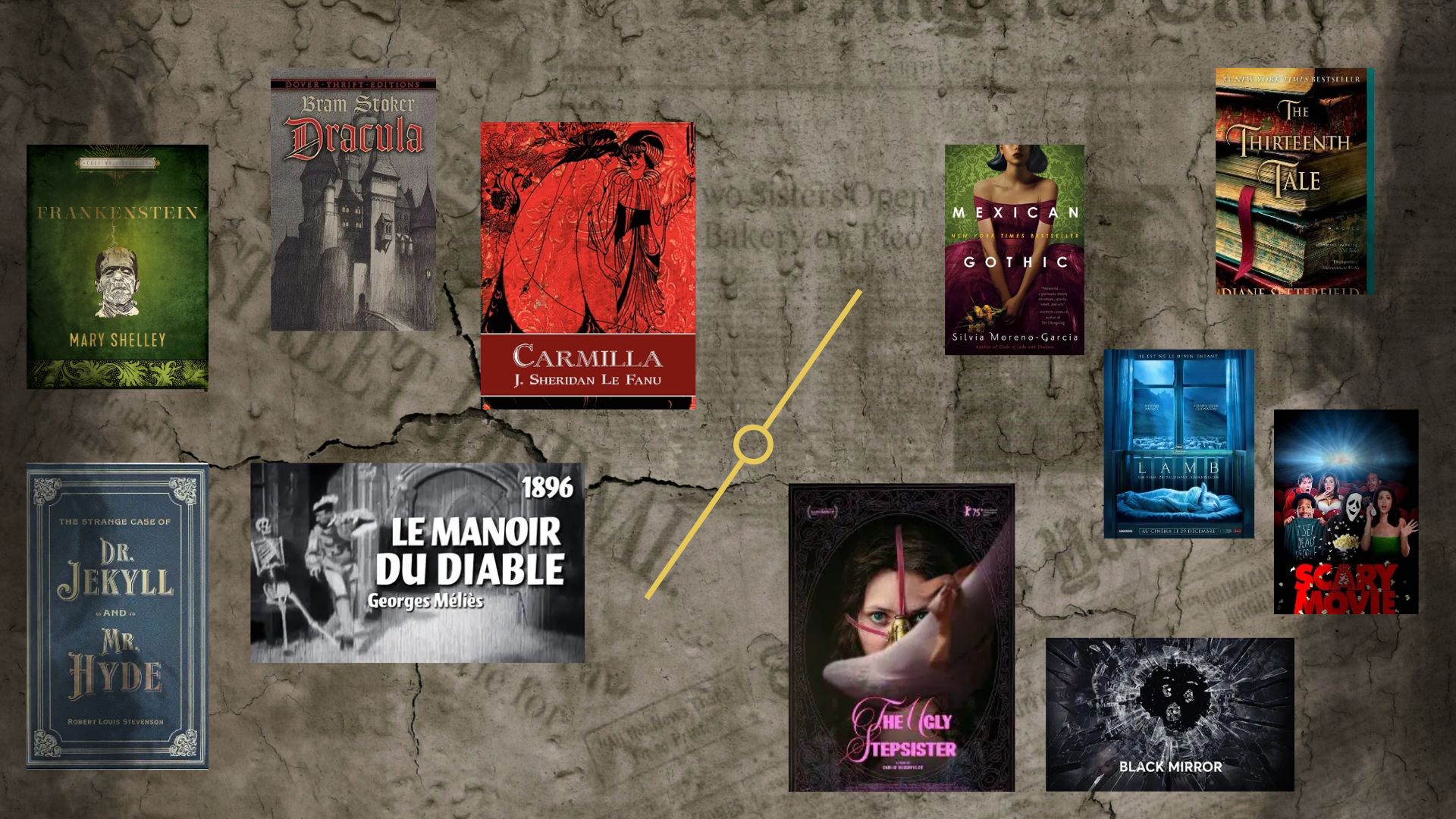
According to Turkan Hasanzada in “Euro-Global Journal of Linguistics and Language Education” he said, “The horror stories of this era illuminate human suffering, the anxieties about irreversible changes, and the dystopian consequences of innovation.” From these fears, works like Mary Shelly’s “Frankenstein” and Charles Dickens’ “The Signal-Man” were produced.
When we look at what we fear today, one thing that stands out is how we handle our fears. We tend to use memes or we joke about the things we fear rather than panicking. We are aware that we use comedy to deal with our fears, which makes things a lot more interesting and brings a sense of lightness to topics that might otherwise scare us.
When we look at movies like “Scary Movie 6” and “The Ugly Stepsister”, we see how our ways of dealing with our fears are reflected in the horror movies we enjoy. “Scary movie 6” uses humor and parody as a means to reflect fears of isolation, identity, media saturation, and social instability. “The Ugly Stepsister” uses satirical black comedy body horror to reflect the effects of societal beauty norms on an individual.
Comedy horror isn’t the only horror on the rise. Psychological horror has shifted from a niche genre to mainstream. It focuses on the mind and emotions rather than on monsters or graphic violence. Psychological horror is more intimate. It focuses on an individual’s fear or a group of people’s fear rather than society as a whole.
Maybe because we began to expect the jumpscares, psychological horror is a horror in which we can relate to. Compared to a horror movie that relies on inhuman monsters to reflect the fears within our society, psychological horror makes us question what if the monster was human? What if it was sitting next to you? What if it is you?
As new fears arise, or present fears grow, we’ll probably get to see different types of horror arise, because one trend remains prevalent throughout the history of horror – that horror as a genre will continue to grow over time.