
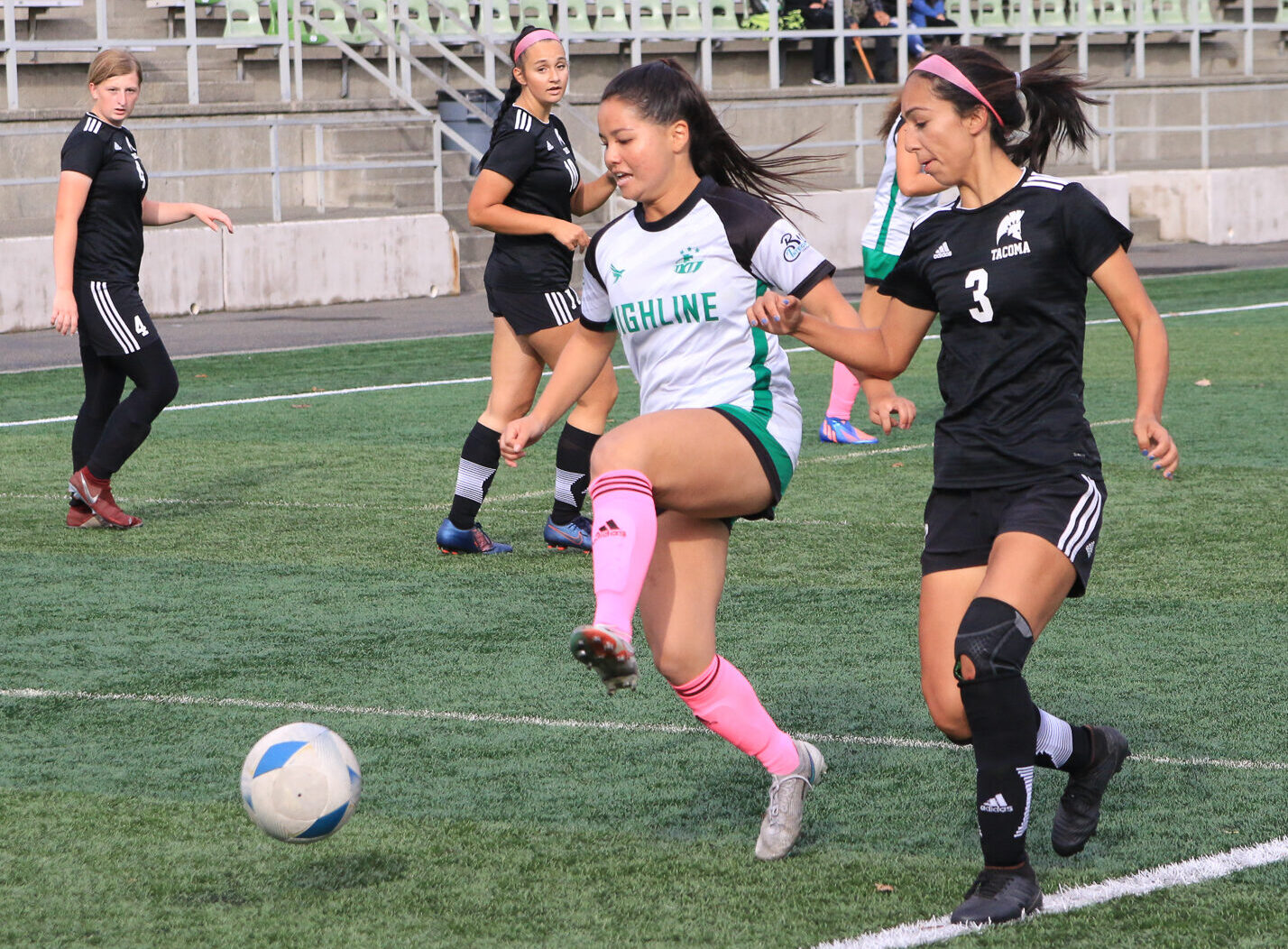
Many athletes who have played any sort of sport have dreamed of getting a college scholarship or just playing their sport on the collegiate level. They train and practice ritually to insure their success in that sport. But the jump from high school athletics to college athletics can be a vast one for many athletes.
Taking that step to the next level can be an exciting one, but also one that doesn’t come without hardship, hard work, and some growing pains. The two levels of competition (and the expectations that come with each) differ and understanding and navigating those changes can often be the difference in making that transition a smooth one.
Athletes of all levels work hard and invest a lot of time in honing their craft. Scheduling classes, practices, and other commitments are some things that a lot of athletes struggle with. While this can be true for high school students as well, in college that constant juggle can be even harder.
Treja Pattersona, a previous D2 college softball athlete, shared her own list of major differences between the two levels, of which her first adjustment was managing her schedule. “In high school everything is planned out for you, in college you have a class schedule and athletics schedule which can vary by week,” she said. “So, making that transition you have to learn how to hold yourself accountable.”
Another tip from Patterson was more so on the topic of the physical drainage athletes will have to go through. “There is a lot more training involved when you get to college,” Patterson said. “You can often have multiple practices or conditioning sessions during the day and you rarely get the day off. There is also a big emphasis on taking care of your body so you will spend a lot of time in the training room.”
What you should also keep in mind is the performance difference there is in college which is a key heads up that comes from Parker Fillius, a previous D1 wrestler from the Purdue Boilermakers. He said, “It’s no secret that college athletics is a whole different kind of animal and that the level of competition rises to a new level.”
Lastly, onto the key change that athletes have to endure, the academic difference between high school and college. According to NCSA College Recruiting and NCAA.org they state the average high school student spends about 15-25 academic hours per week (standard school days plus homework). While in college they inform us that the number jumps dramatically, with college students averaging 33-37 academic hours per week – which is a significant amount more time spent on academics by itself (let alone the rise in practice hours for the sport itself.)
Despite this, college athletics give major opportunities to achieve athletes’ more long term related dreams. Athletes get to compete at a high level, develop relationships with their teammates and coaches, and get to represent their school all while continuing to pursue their higher education and long-term goals they are working towards.
Ultimately, going from high school to college athletics is more than just competing at a higher level sport but also about being responsible, disciplined, and an overall more independent person. The ones who excel in college athletics didn’t necessarily find the transition easy but were willing to learn and adapt when the competition gets harder.