
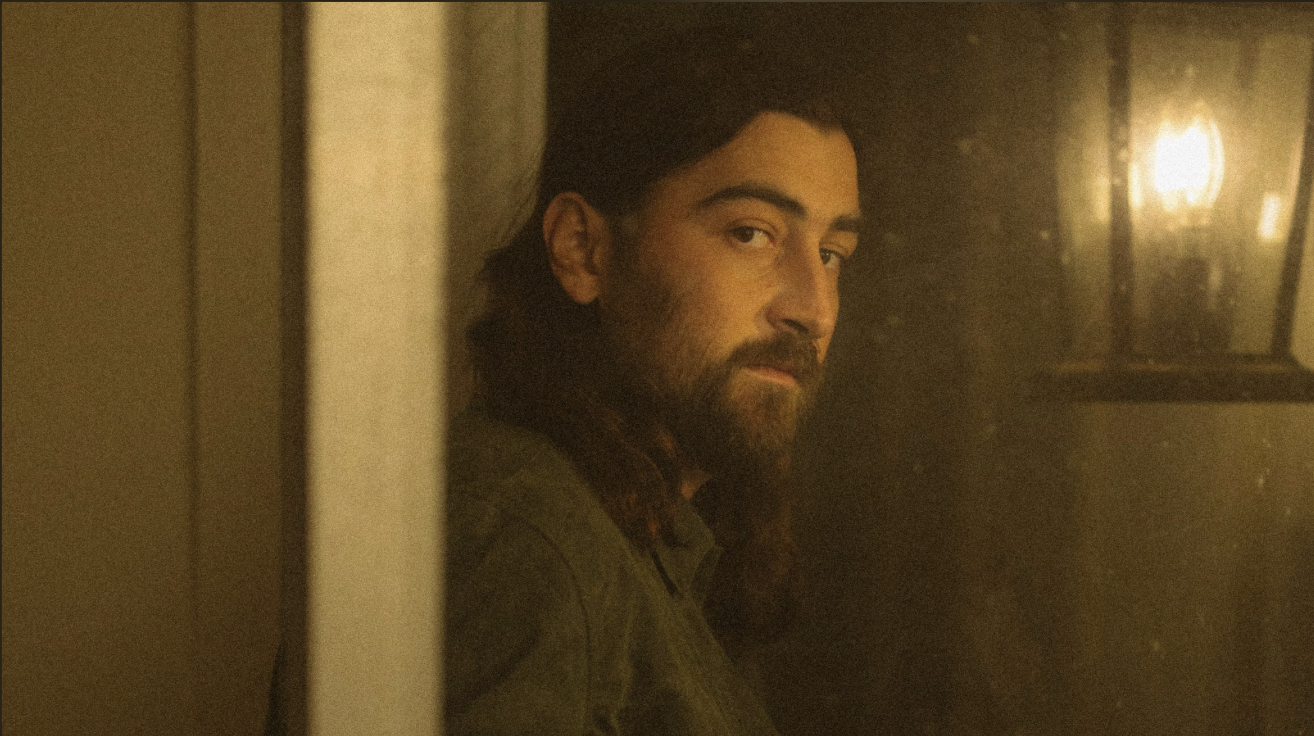
Noah Kahan is back with his highly anticipated fourth album, “The Great Divide,” which was released on April 24. Spanning 17 tracks, Kahan grapples with the aftermath of fame and how that has changed his relationship with those close to him and his home state of Vermont.
The next day, Kahan released the deluxe version of the album called “The Great Divide: The Last of the Bugs,” with four additional songs.
The music on this album is decidedly within the alternative genre, with sonic themes that lean heavily on folksy acoustics and ambient synths. A social media user described the album as “boy folklore.” Although this description is hilarious, it is also pretty spot-on considering that Kahan collaborated with Aaron Dessner, one of the main producers on Taylor Swift’s “folklore” album, among others.
A theme of this album is writing about himself from the perspective of Kahan’s friends and family. This unique writing choice makes for lyricism that is both self-reflective and self-critical. While Kahan isn’t the first songwriter to look at himself with scrutiny and sing in the third person, it certainly feels much less common than first-person songwriting. As a songwriter myself, my ears perked up at this repetitive and unique writing choice, and it is something I want to explore in my future writing.
An immediate standout favorite is “American Cars,” with its catchiness, clearly enunciated lyricism, and production styles that feel like a callback to his “Stick Season” album. This song seems to be written from the perspective of his family and friends back home, asking Kahan to return and repair strained connections. Kahan writes about how people in his hometown probably view him differently, now that he has “Ray-Bans on [his] face” and has “been driving American cars”.
Another lyrical standout is “Downfall,” a track from the perspective of people back home. Like in “American Cars,” the people in Kahan’s life want him to come home and even hope for him to fail in some way if that means he’ll return home. “So call me when it goes to shit/ I’ll be keeping the house the way it was” and “Keep my ear up to the doorframe/ And I’ll keep rooting for your downfall” both communicate the complicated emotions of someone being important in your life but also wanting them with you, even if that means they fail at something in the process.
One of the best lyrics can be found in the title track, “The Great Divide.” Kahan sings about two people experiencing the same event but being affected by it differently, using music as a metaphor. “I heard nothin’ but the bass in every ballad that you’d play/ While you swore to God the singer read your mind” describes how two people can hear different components of the same song, much like reading the same situation differently.

Mercury
Humor is also sprinkled throughout the album. Kahan makes a jab at Teslas in “Headed North” with “But if I see one more Cybertruck, I swear to God I’m gonna floor it.” When listening to these lyrics, it’s hard not to chuckle, which lightens the mood a bit for this very emotionally heavy album.
Kahan coupled this album release with a Netflix documentary called “Out of Body,” which was released on March 16. This film, like the album, explores how Kahan dealt with the success of his “Stick Season” album and subsequent tour.
The album as a whole is very sonically cohesive, making it the perfect album to switch on for easy listening. Lyrically speaking, every song hits at deep emotions, meaning that if one chooses to listen carefully, they are bound to come across profound lines that read like poetry. In other words, Kahan has crafted a very well-balanced album that is definitely worth listening to and revisiting in the months to come.