
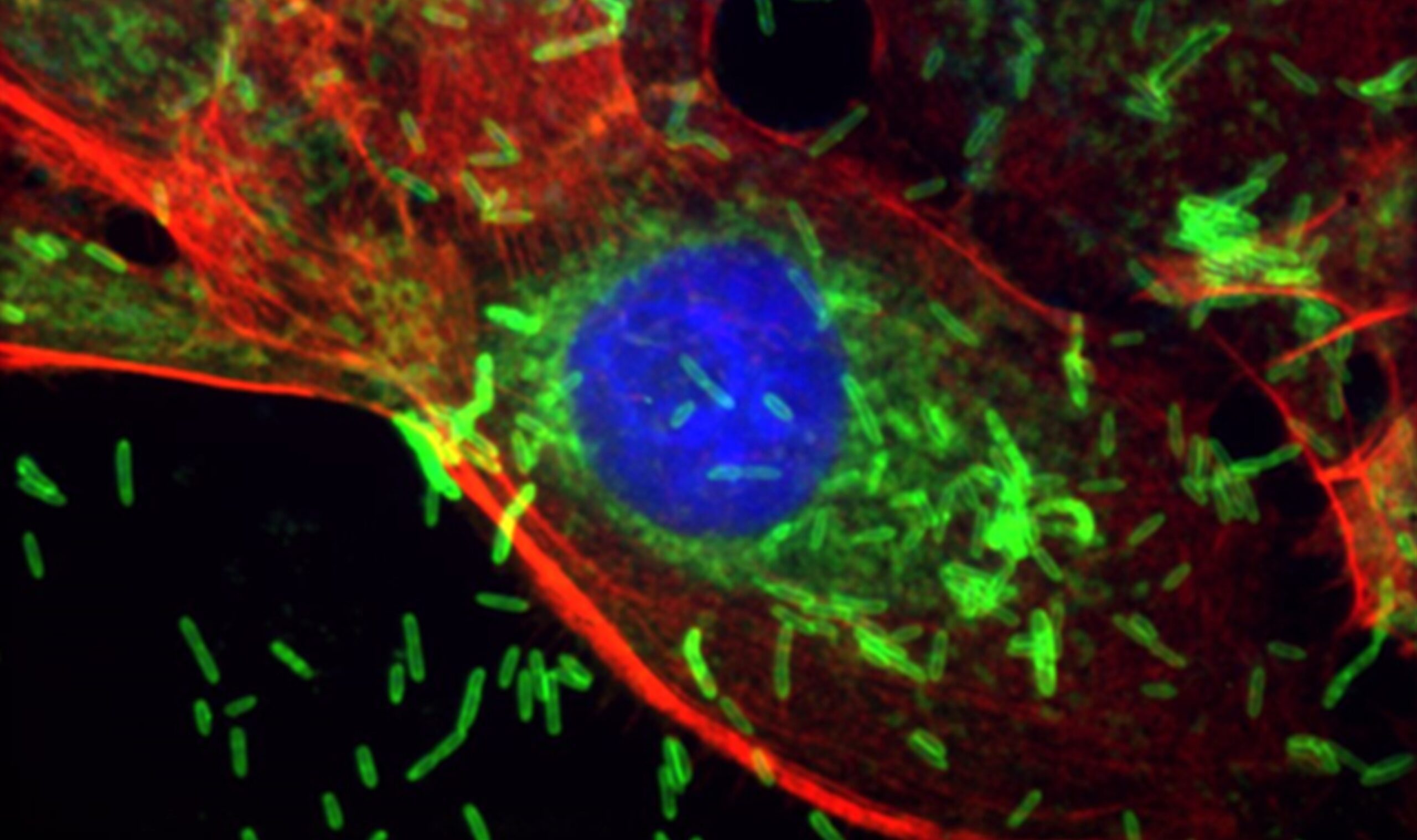
New research has discovered an oral bacterium called Fusobacterium nucleatum can cause and exacerbate breast cancer. This bacteria can travel through the bloodstream to the breast tissue, where it mutates the cell’s DNA that causes the growth and spread of tumors.
Fusobacterium nucleatum, or Fn, is a type of oral bacteria. Fn is associated with periodontal disease, or gum disease, which is an inflammation and infection of the gums and the bones supporting the teeth. Fn has previously been linked to other types of cancers, but this new research suggests that it can cause breast cancer as well.
Research conducted by John Hopkins Kimmel Cancer Center and Bloomberg~Kimmel Institute for Cancer Immunotherapy shows that Fn induces DNA damage, which alters cancer cell behavior. It alters the behavior of existing cancer cells causing them to duplicate faster and become more resistant to treatments like chemotherapy.

John Hopkins Medical Center
The research has shown that Fn can travel through the bloodstream, from the gums, and group in the breast tissue. The bacterium grouping in the breast tissue causes inflammation and precancerous changes. Precancerous changes involve altering the DNA, which then causes mutations in the new cells.
These mutations are cancer and the continued growth of these cells is what forms tumors. Fn has also been shown to increase tumor growth, making breast cancer more aggressive. It promotes growth of existing tumors the same way it initiates the cancer itself, it alters the DNA to cause mutations.
Researchers found that tissue with the BRCA-1 gene, a gene that produces protein to repair damaged DNA, is more susceptible to the effects of Fn. Cells that have expressed the BRCA-1 gene have higher surface sugar levels. This allows for the Fn bacteria to be able to bind to the cells easier, causing an increased risk of cancer development.
The testing done in animal models shows that Fn can cause breast cancer to spread to the lungs as well. The bacteria residing in the mouth can be inhaled and travel into the lungs. It then initiates DNA mutations, as it does in breast tissue.
The main point of this research is solidifying the connection between this bacteria and breast cancer. Connecting gum disease to breast cancer, brings more awareness to not only risk of breast cancer, but the importance of oral hygiene and maintenance.
Along with these new discoveries, periodontal disease has been proven to cause a host of other medical problems and concerns. Gum disease can cause tooth loss and gum recession, which causes pain and sensitivity. It has also been found to travel to the heart, causing inflammation, clogging arteries, and increasing the risk of stroke.
The bacteria associated with this disease can be inhaled, which can lead to pneumonia and lung cancer. Some studies suggest that this disease can be linked to cancer in the pancreas, kidneys, and the blood.
All of these health risks are just a sample of the problems that can happen with poor dental hygiene. To prevent gum disease you can brush your teeth two to three times a day, avoid tobacco products, floss daily, use an antibacterial mouth wash, and visit your dentist regularly.
Going to the dentist regularly can be difficult for people without dental insurance. There are resources to help combat this problem including the King County Adult Dental Program (KCADP), which provides free dental services for adults in King County, who meet certain criteria.
Programs like these can help people afford preventative dental care and provide treatment for disease and even surgery. If you do not have dental insurance, look into programs provided by your county or even by your school.