
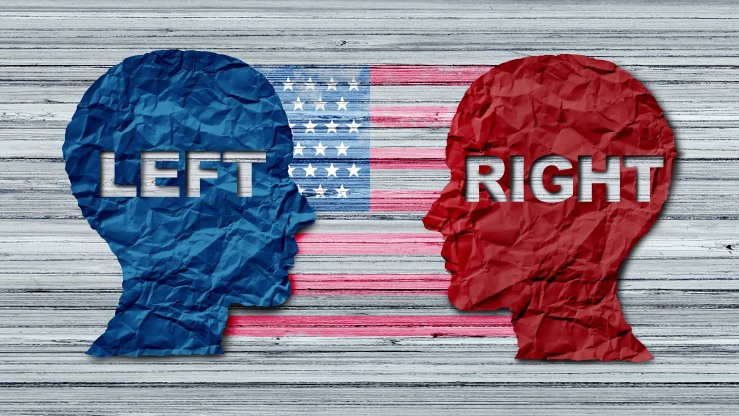
Social media contributes to growing political division by escalating, increasing strong beliefs, and fueling ongoing conflict. Platforms influence audiences, shape political reactions, and keep people continuously interacting with political information. So how do social media platforms use tactics to keep people engaged with political content?
In the video “Social media and political polarization in America” created by 60 Minutes, one of the interviewees, Tristan Harris, the co-founder of the Center for Humane Technology stated that, “They’re making us see more angry posts about politics so that we can be distracted from our anger, which makes them more money in the end.”
Algorithms prioritize posts that trigger strong emotions, showing them to more people.
Each emotional post, comment, share or like leads to more engagement on social media platforms like Tiktok, Instagram, and Facebook, which leads them to gaining more people to pay for ads/promotions, leaving social media companies to make billions of dollars.
Harris said, “Each political term referring to your political opponent increases the odds of that post being reshared or retweeted by [67%].” Showing how anger spreads faster than facts. This is dangerous because it leads to misinformation being spread quicker, and people start to assume the worst of the other side.
Another interviewee, Jonathan Heights a social psychologist said, “These changes in the technology that made everything much more viral and explosive, it’s as though it gave everybody a dart gun. It’s like it gave everybody the ability to complain, attack, criticize anyone at any time in a very short space with no need for evidence no accountability.”
What does a dart gun mean for everyday users? It means that criticizing, frustrating, disconnecting statements are probable. This affects everyday conversations because it makes people uncomfortable with conversations about politics.
Heights adds on by saying, “The people most likely to fire their social media are those on the far right and the far left.”
The interviewer then asked, “What percentage of the population are they?” Heights replied, “It’s about 7 or 8% on each side.” The interviewer asked, “That’s it? So the extremes have been handed the power to dominate even though they are fewer in number?”
Why is it that these small groups have a big influence? It’s because they’re likely to post more whether it’s facts or bias, their posts get the most engagement and the algorithms get rewarded. This converts people in the middle to keep quiet because social media creates a false idea that everyone thinks like the extremes, which gives extremes more visible power.
“That’s right, exactly,” Heights said. “It’s what I call structural stupidity. That is you have very smart people highly educated and highly intelligent but you put them in a situation in which dissent is punished severely, when the moderates or when anyone is afraid to question the dominant view, the organization the institution gets stupid.”
This connects with political division because it makes people become scared to disagree and everyone becomes more extreme or silent.
For example, in the video made by 60 Minutes it said, “College students state they’re afraid to express views on political and social issues in the classroom.” The fear of speaking up offline comes from what happens online – like cancel culture and the fear of being screenshot or posted.
The interviewer then asked Jonathan Heights, “What do you do?” He replied, “ I just avoid controversial topics.” The interviewer then asked, “Really? Isn’t that what college is for?” Heights replied, “It used to be.”
In May on TikTok, there were videos going around saying that students who came into Chipotle with their cap and gown got free Chipotle, and it turned out that it wasn’t true. The reason this information spread so quickly is that it looked credible and created an exciting appeal for graduates.
As long as anger and outrage drive engagement, social media will continue to fuel political division, shaping beliefs, emotions, and conversations every day.