
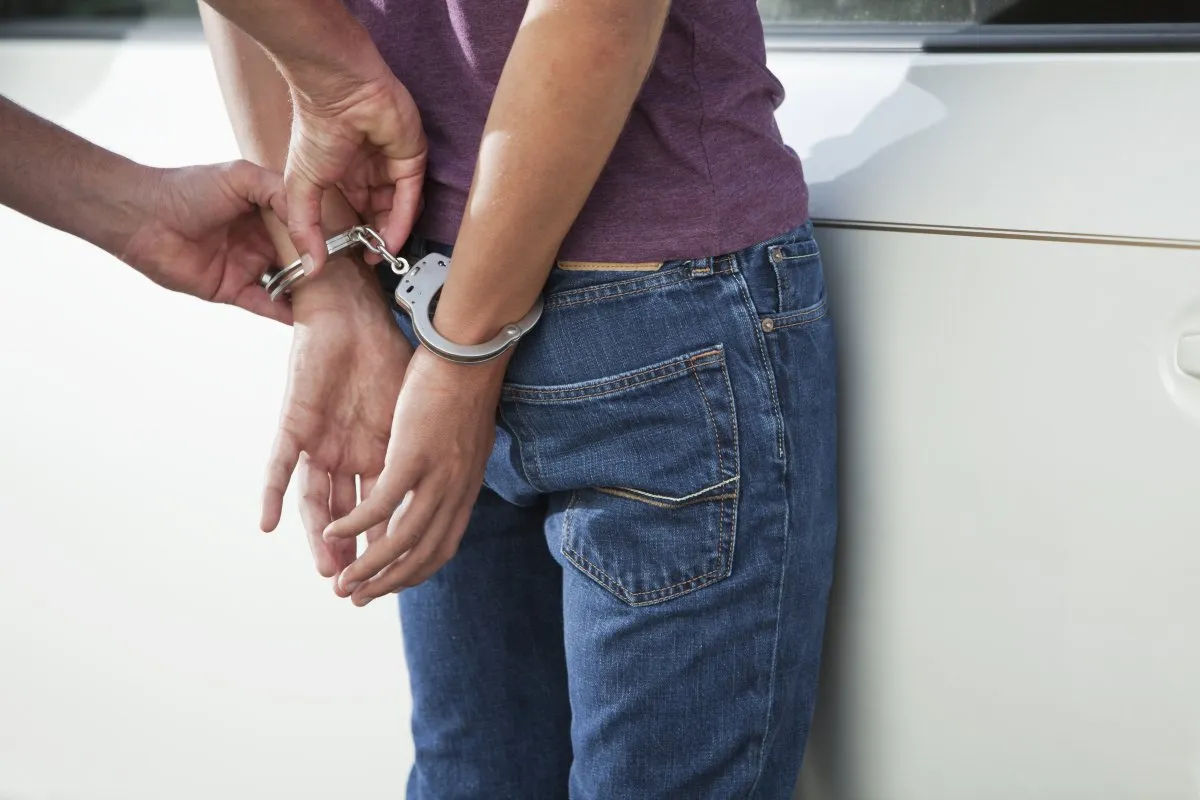
The juvenile incarceration system, meant to be a place of rehabilitation for troubled kids, not a punishment, has been brought into the light for its treatment of children, causing detriment to physical and mental health. Youth that experience the juvenile justice system are usually left to face many different difficulties, like PTSD and dental issues, after their stay in jail.
“A normal day when I [was] first incarcerated was: I wake up and go to breakfast, and then I go to school till 3 p.m., and then I used to go back and eat dinner and then sit in my room till 7 p.m. and then I’ll come out for two hours,” said Shamar Slaughter, now an adult, that spent most of his childhood in the system.
The juvenile system takes a huge toll on the mental health of the juveniles with “between 40 and 70 percent of juveniles experiencing depression while incarcerated,” according to The National Library of Medicine. This is due mostly because of the isolation of being locked in a cell without having access to others, along with the repeated schedule that they are on, causing boredom and depression.
Post-Traumatic Stress Disorder is an issue that affects most juveniles in the system. “ 90% of justice-involved youth report exposure to some type of traumatic event,” said The National Library of Medicine with 30% of juveniles displaying effects of PTSD.
But it is not only mental issues that they face. Incarcerated kids have been shown to have a higher chance of developing dental issues and decaying teeth, from not only no longer having annual dentist visits, but their eating habits that consist of mostly unhealthy commissary snacks.
Children in jail are also subjected to harsh punishments while in police custody, at times being treated like full grown adults. “Incarcerated youth are subject to solitary confinement – often for 22-24 hours per day – strip searches, shackles, and chemical sprays,” said the Juvenile Law Center.
Being in a juvenile detention center has been shown to poorly affect their education, even though attending some sort of schooling is required for the incarcerated youth, whether it’s a highschool diploma or higher education. Only 16% of detained youth will graduate high school while another 57% will drop out.
This likely plays a huge part in how many kids reoffend, feeling like crime is now their only option. In 2014 a study showed that in Washington state, 32.1% of youth reoffend after 12 months of being released from police custody.
“I’m traumatized. I think I’m institutionalized because the stuff they teach you in jail is like programming. That’s not what they teach you in the world,” said Slaughter.
The unemployment for young ex-offenders is twice as high as their peers. “Unemployment rates for youth ages 16-24 leaving incarceration is about 60%” reported by The Child Welfare League of America.
Nonprofit organizations like The Sentencing Project are fighting to minimize the imprisonment of youth. And finding humane ways to rehabilitate while promoting gender, racial, and economic justice.