
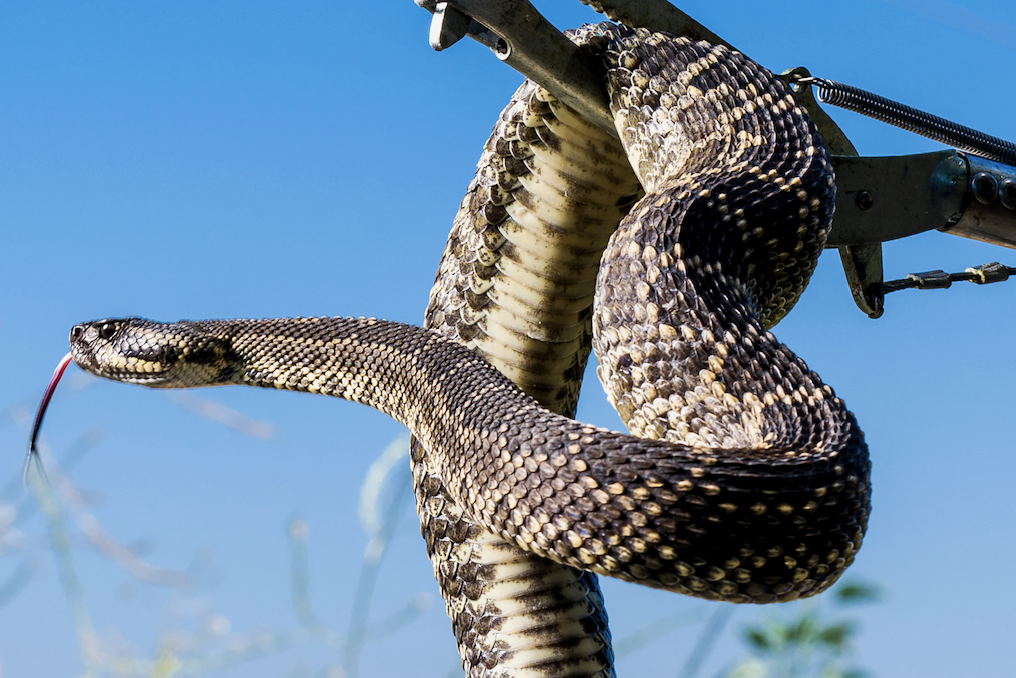
A sample study done on over 500 rattlesnakes showed a major health concern. These hidden illnesses are a real factor in the possible extinction of wild rattlesnakes in the United States.
This study was conducted on rattlesnakes in two wildlife refuges in South Carolina and Florida. Most of their specimens were living rattlesnakes that they took skin swabs and blood samples of before releasing them. They also took tissue samples from dead snakes that were found on roads and in the wild.
The study revealed that over 80% of sampled snakes tested positive for some type of infection or showed signs of infection. One of the infections found was ophidiomycosis, which is also known as snake fungal disease. This infection is caused by the fungus Ophidiomyces ophidiicola (Oo), which was originally discovered over two decades ago. It is a very frequently found fungus throughout multiple snake species.

Briticannia
The commonness of this type of infection is why research mainly focuses on Oo when looking at snakes. This study was meant to further research into snake health because there are many more infections they can contract, which can greatly affect their population.
Dr. Corinna Mishin, a researcher at Georgia State, said, “For around 10 years, free-ranging snake research almost solely focused on Oo. We wanted to evaluate snake health on a more comprehensive level and really establish a broader view.”
The most common infection found in this study was Salmonella enterica, found in 63% of the specimens. Another common infection was Hepatozoon spp., which comes from ticks and was found in 53% of the snakes. This shows the necessity of these studies and ones like it, as there is so much more harmful things out there to snakes besides Oo.
About 44% of all of the snakes sampled had multiple infections. “When an animal has become sick from an infection their immune system is compromised which increases the risk of further disease exacerbation from other infectious agents that may have once been subclinical,” Mishin explained.
Along with disease susceptibility from a previous or current infection, some species of snakes are more vulnerable to disease and infection than others. Pygmy rattlesnakes are most susceptible to fungal infections. Rattlesnakes were most found with RO infections due to parasites.
The sampling only took a few counties into trial, but geography did play a part into disease and infection, showing much higher rates of fungal disease. Along with species, environment also plays a factor into vulnerability. Snakes that were sampled in Georgia tested positive for Oo much more frequently, while Ro, an invasive parasite commonly known as snake lungworm, infections were found only in snakes from Florida.
“Our data provide[s] important information of which pathogens native snakes may likely have but also which they are likely naïve to. This can inform actions needed to prevent pathogen spillover from captive snakes,” Mishin concluded. “When translocating wildlife, it’s essential to consider which pathogens may be translocated with them — and the potential downstream effects.”
This research revealed the vulnerability of snakes to disease and infection and how it could affect the wild snake populations. This is only the start of broader research that will be done on the health of snakes, but it is a great depiction of why we shouldn’t put all our time and effort into one topic when there are many other factors at play.