
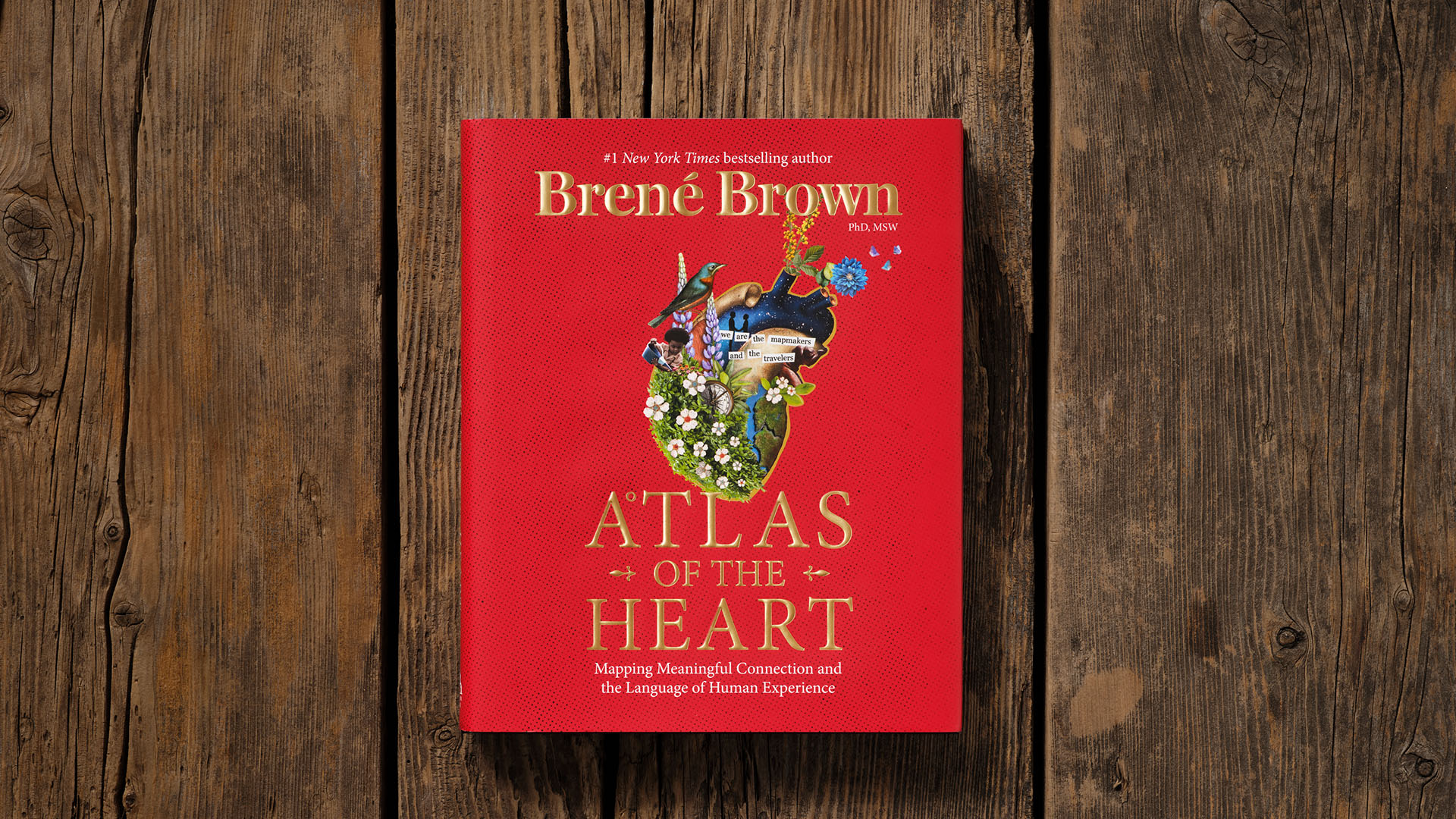
In Brené Brown’s “Atlas of the Heart”, Brown emphasizes the importance of accurately identifying the nuances of one’s emotions, and knowing how to meet others where they’re at. “Atlas of the Heart” walks readers through 78 “emotions and experiences” that are key components of the human experience as a whole.
This book feels like one of the most important pieces that I have read in a while. From start to finish, I found that my preconceived notions regarding many emotions were challenged in many ways, forcing me to reflect on how I have viewed my emotional experiences, and the experiences of others.
It is easy to resort to what Brown calls the “sad, mad, glad triad,” where any emotion is described as one of those three generalized words, but if individuals dig a little deeper, it will more than likely be revealed that there is more nuance at play.

brenebrown.com
For instance, people might use the words “joy” and “happiness” interchangeably. While these words are related, they are actually much more different than you would expect. In this case, happiness is a feeling that is more temporary and washes over you, whereas joy is more long-term and a result of having a positive-attitude about life overall. This is just one example of many that Brown highlights in her book.
By understanding such specificities, humans can have more understanding of the experiences of others and be better practitioners of empathy.
Brown also goes into detail about the ways people commonly believe that they are being empathetic, when in actuality they might be missing the mark. A close word to empathy is “sympathy,” which Brown describes as being a “near enemy” of empathy.
A “near enemy” is anything that, while on the surface appears to be positive and helpful when compared to something else, is actually harmful and counterproductive. When it comes to sympathy and empathy, sympathy, while masked as a way to help others, creates separation. It presents itself in verbiage like “I feel so bad for you.” Phrases like this often don’t make the hurting individual feel better. It creates more isolation and division, inhibiting the intention of connection.
Empathy, though, requires the supportive person to sit with another person’s pain. It presents itself in language such as “I know what it’s like and you’re not alone.” Empathy has the power to fuel connection, while sympathy undermines connection.
Brown’s book is organized in chapters that group similar emotions together. The titles are consistently “Places we go when…” which allows for readers to find the specific emotion that they’re experiencing with ease. One such chapter is called “Places we go when we’re hurting,” and it includes the emotions of anguish, hopelessness, despair, sadness, and grief.
If an individual can identify that they are hurting, they can use this chapter to figure out in what way they are hurting and find a specific word to describe their experience. This allows for better understanding of one’s self, and it can also aid communication with others so people know how to support the hurting individual.
“Atlas of the Heart” is a wonderful resource for understanding the human experience and I would highly encourage that everyone read it, listen to the audiobook, and/or watch the HBO Max special that accompanies the book. The way I view the world and the people in my life has been forever changed for the better, and I can’t recommend it enough.