
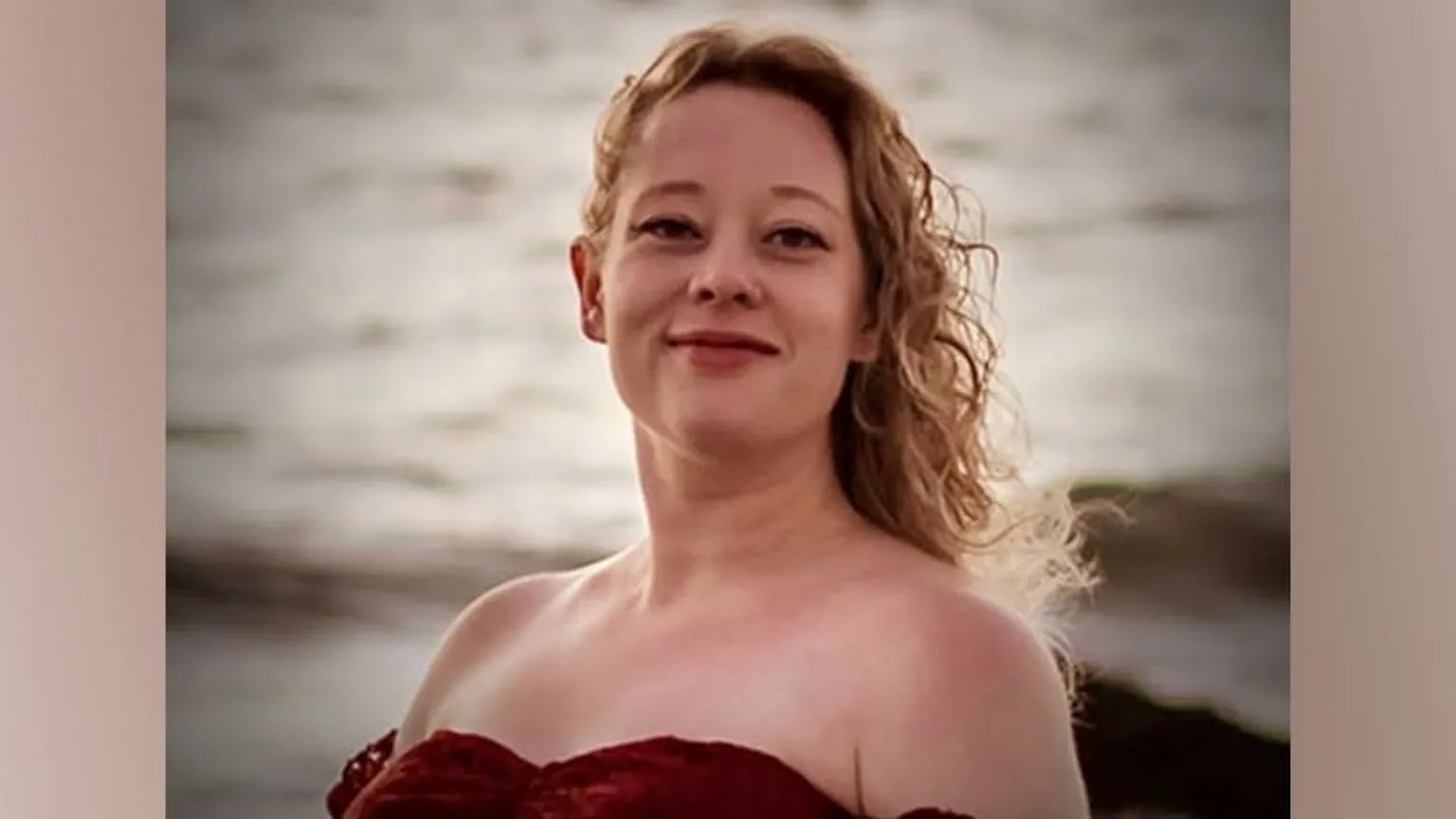
The tragic death of a Minneapolis woman during a federal immigration enforcement operation has ignited protests across the country and raised urgent questions about the use of force by U.S. Immigration and Customs Enforcement (ICE) agents operating in local communities.
On Jan. 7, 2026, an ICE officer by the name of Jonathan Ross fatally shot 37-year-old Renee Nicole Good, a U.S. citizen, in south Minneapolis during a large federal enforcement operation. The incident occurred on Portland Avenue near East 33rd-34th Streets, just blocks from Good’s home.
According to the Department of Homeland Security (DHS), the shooting occurred after Good’s vehicle allegedly threatened officers, a narrative the agency framed as an act of self-defense.
However, like most of the rest of the world, Minneapolis city leaders and local officials have publicly rejected the federal account, saying available video does not clearly show the dangerous actions DHS described and disputed the characterizations offered by federal authorities. Local advocates also said Good was acting as a “legal observer” documenting enforcement activity, not as a target of an arrest.
The shooting prompted a federal investigation led by the FBI, which has so far excluded Minnesota’s Bureau of Criminal Apprehension (BCA) and local authorities from accessing evidence or interviewing key witnesses. Local officials, including Mayor Jacob Frey and Minnesota Gov. Tim Walz, have said this exclusion threatens public trust and transparency in the investigation.
The shooting quickly sparked large and sustained protests in Minneapolis and across the United States. Demonstrations have taken place in cities such as Chicago, Los Angeles, and beyond, with activists demanding accountability and calling for limits on ICE authority. Vigils honoring Good have been held in multiple states, bringing communities together in grief and protest.

Megan Farmer/KUOW
Grassroots coalitions have mobilized hundreds of rallies and actions nationwide, with organizers using platforms such as “ICE Out For Good” to coordinate efforts. The incident has also echoed in the cultural sphere. At the 83rd Annual Golden Globe Awards, entertainers such as Wanda Sykes wore protest pins reading “BE GOOD” in memory of Good and to draw attention to ICE enforcement tactics.
Politicians and public figures have weighed in as well. Representative Ilhan Omar criticized ICE and urged the public to document federal enforcement actions to ensure accountability, sharply criticizing DHS’s portrayal of the incident.
Mayor Jacob Frey has sharply criticized ICE’s presence in Minneapolis and publicly challenged the federal government’s account of the shooting, saying the agency’s actions have made the city “far less safe.” Frey has called for ICE to withdraw from the city and urged greater transparency in the investigation.
At a press conference shortly after the shooting he said, “To ICE, get the fuck out of Minneapolis. We do not want you here. Your stated reason for being in this city is to create some kind of safety, and you are doing exactly the opposite. People are being hurt, families are being ripped apart.” Frey added that the self-defense narrative being advanced by federal officials was “bullshit.”
In response, Homeland Security Secretary Kristi Noem and other U.S. officials have defended the ICE officer’s actions. Noem described the incident – before a full investigation has concluded – as an act of “domestic terrorism,” saying the vehicle was used as a weapon against federal agents and that the officer fired to protect himself and others.
Frey’s criticism extended to Noem’s remarks, which he took to social media platform X, writing that the secretary’s narrative was “bullshit” and that she opposed an impartial investigation because it did not fit her version of events.
When asked about his own controversial comments, Frey defended them, saying that while some might be offended, the death of a Minneapolis resident is the true inflammatory element, not his language. “I dropped an f-bomb. And they killed somebody. I think the killing somebody is the inflammatory element here,” he said.
The killing of Renee Good has intensified a national debate over ICE’s authority, the use of force in immigration enforcement, and the balance of power between federal and local law enforcement. Advocacy groups and community members in Minneapolis and elsewhere have formed networks to monitor future enforcement actions and protect residents who may be present during operations.
While federal officials maintain the agent acted within policy guidelines, critics argue the shooting reflects deeper issues in how immigration enforcement interacts with community safety and civil liberties.