
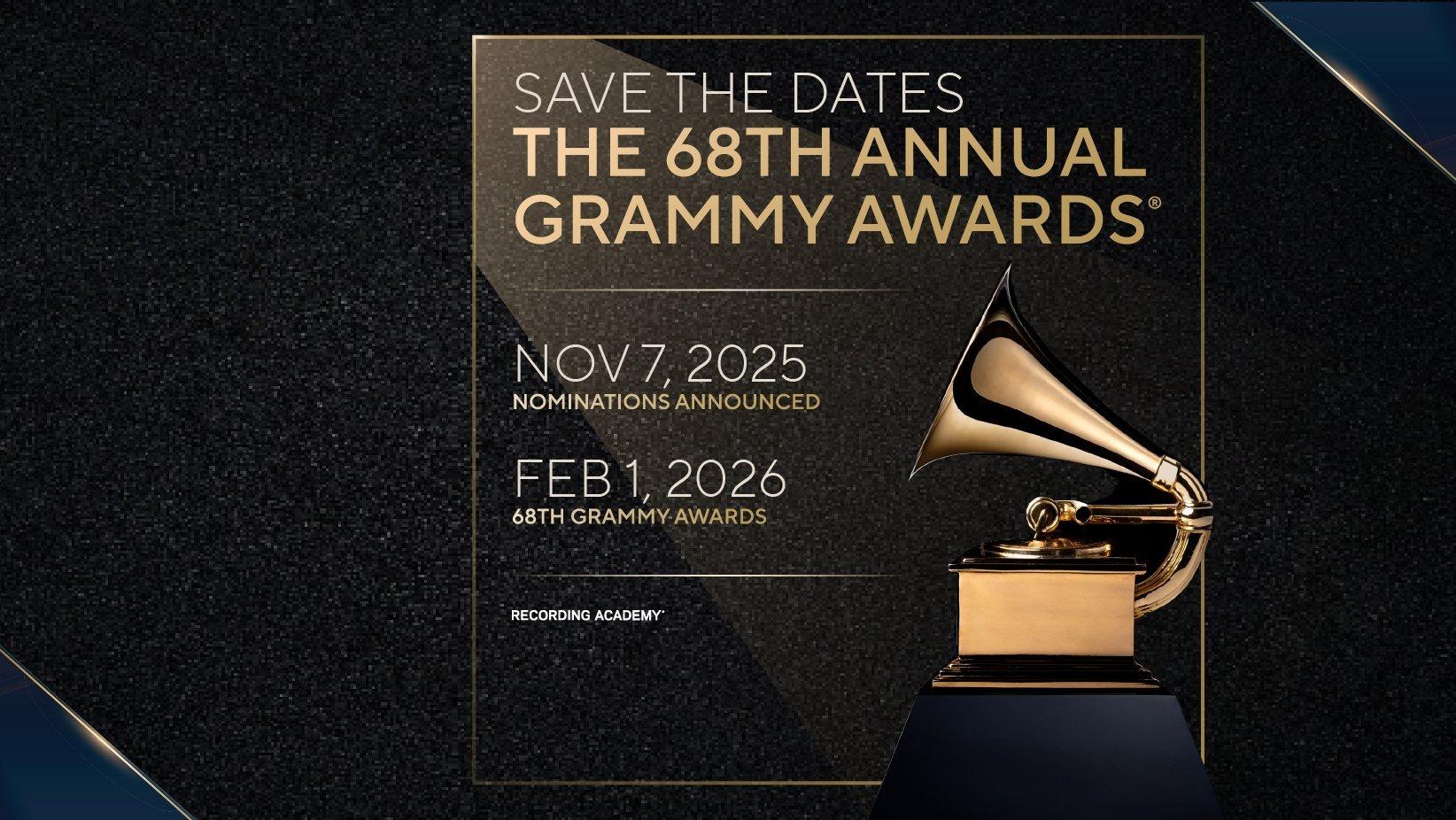
The Grammy Awards – the self proclaimed “biggest night in music” – has happened every year around early February since 1959. A prestigious and mysterious group of voters made up of industry insiders (singers, songwriters, producers, engineers, and more) decide who will take home the gramophone-shaped trophies. This year, the ceremony will take place on Feb. 1 at Crypto Arena in Los Angeles. Should we still care enough to tune in?
The Grammys are far from the only major award show. The other three that are considered major U.S. award shows are the Emmys (television), the Oscars (film), and the Tonys (theater). The four of them together make up the EGOTs. The Grammys are actually the newest of the four with the Oscars coming up on their 100-year anniversary in 2029.
These award shows pull in millions of viewers every year, though they have shown a decrease in average viewership since Covid. Clearly they hold weight as people still choose to tune in en masse every year, but why?
The thing about art is it’s subjective. You can use plenty of metrics to try and say what pieces of art are better than others like money made, critical success, impact, context, and originality. At the end of the day, one person can say an album is the best thing they’ve ever heard and another might say it makes their ears bleed. So, if whether a piece of art is good or bad can’t be objective then why do we care about the majority opinion of these shadowy voting committees?
Many people view celebrities as larger than life, almost unreal people. To have countless of music’s current biggest stars packed into one room in full glamour to possibly interact with each other, give interviews, perform, and have their work recognized and celebrated is a massive draw for viewers. To the average person observing pop culture, it’s really exciting to watch such a spectacle.

CBS
Last year, you got things like Taylor Swift and Cynthia Erivo sitting at the same table – who are both people who have spent the last few years shifting culture – or Olivia Rodrigo and Sabrina Carpenter hugging after an alleged years long conflict.
Audience members also feel very strongly about the art they care about and want to see it awarded. When you’re trying to convince your friend to watch a movie you love, wouldn’t it be nice to say “Well, it’s a multi-time Oscar winning film”?
People also typically feel more secure in their opinions when people agree with them. To have your opinion validated on live television is a gratifying experience similar to watching your favorite sports team succeed. That feeling is likely why many people online refer to the Grammys as their own Super Bowl.
For this same reason, record labels and marketers inside the industry love award shows. It’s a marketing technique that doesn’t feel like an advertisement. You’re just watching your favorite actors, actresses, or singers win awards but you’re also seeing all these other ones you’re not as familiar with broadcasting to millions of people, and that’s a form of promotion even if it’s only hearing their name or a brief showcase of their performance.
An interesting thing to note is that the viewership for these award shows is majority Gen Z and Millennials but the voters behind these award shows are largely older people and not very diverse groups of old people at that. There has been an effort to change this done by the Grammys.
According to the official Grammy website, since 2019 they have new members representing 66% of the voting electorate. This however only reflects the last few years. Historically, it hasn’t been young people voting despite younger people largely controlling the conversation around pop culture. A 2024 NRG article found that 53% of consumers believe that award show voters are out of touch.
Lastly, it’s a big community event. In 2026, there’s a lack of a monoculture – an event where most people have the same media experience. Think of hit songs or movies that it feels like truly everyone knows. Social media has fragmented the content someone receives and made it easier to only consume exactly what you want instead of what’s popular.
Ultimately, if there wasn’t interest in the Grammys they wouldn’t be happening anymore, but interest is notably dwindling. Less major award shows like the American Music Awards had to go on hiatus for a few years due to lack of viewership. However, millions still do care for one reason or another and the industry pushes for award shows to still happen.