
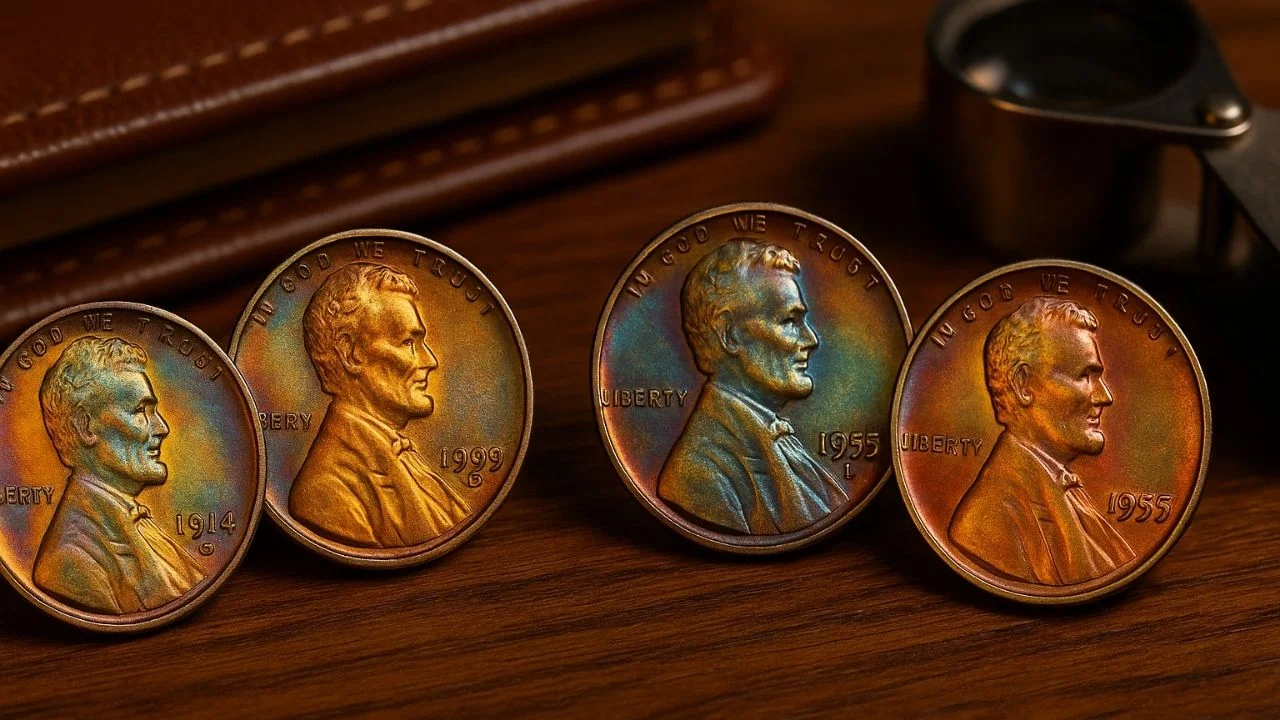
After 232 years of production for circulation, the last one‑cent coins rolled off the press at the United States Mint in Philadelphia on Nov. 12, 2025.
I’ll admit it, I still check the change tray for that little copper disc, the good ol’ U.S. penny. It’s been jingling in our pockets, loose in our couch cushions, tossed on tables during small purchases, and saved in piggy banks for as long as any of us can remember. But now, the time has come for the penny to take its final bow.
That tiny coin that once helped you scratch off a ticket or pay your parking meter is soon to become something more like a relic, not because its story was grand, but because it was so ordinary. And that’s exactly why it matters.
The penny’s story began in 1793, making it one of the oldest continuously produced coins in American history. Over the centuries, it has gone through many faces, metals, and minor design tweaks – but none so famous as Abraham Lincoln, whose profile first appeared on the coin in 1909.
Pennies have been made of copper, copper-plated zinc, and even a little bit of bronze. The cost of producing a penny has sometimes exceeded its face value, a small irony for such a modest coin. Yet despite that, the penny has endured as a staple of American pockets, wallets, and piggy banks. It has also inspired sayings, superstitions, and a surprising amount of lore: “Find a penny, pick it up; all day long you’ll have good luck.”
The penny has been everywhere. Clinking in cash registers, jingling in pockets on bus rides, and turning up in the oddest places – from arcade tip jars to wishing fountains. Kids counted them for allowances; adults collected them for charity jars.
Even when ignored, pennies quietly marked transactions and small moments of daily life.
They’ve survived everything from being stepped on to being hoarded in coin collections. And let’s be honest: most of us secretly liked the little clink of a coin, the weight of “one more cent,” and the tiny victory of finding a shiny new one.
To mark the end of the penny’s long run, U.S. Mint performed a ceremonial strike for its last circulating coins on Nov. 12, 2025. Collectors will now have the chance to own these final pennies through auctions, giving a small coin legendary status.
It’s a bittersweet moment: while these pennies are stepping off the production line, they’re also stepping into history, immortalized by photographs, press releases, and the memories of every cash transaction they’ve ever touched.
Before you panic about having to round every purchase to the nearest nickel, here’s some reassurance: pennies are still legal tender. You can spend the ones in your jar, though retailers may round totals to the nearest five cents when giving change. Economically, the retirement of the penny has minimal impact, but symbolically, it’s a big deal, a reminder that even the smallest things matter.
So yes, the penny is leaving our wallets, but it isn’t leaving our memories…or our wishing fountains.
The penny may have been tiny, but it carried a surprisingly large weight in our lives. It taught thrift, luck, and the value of small increments. It jingled, clinked, and occasionally got stuck in a vending machine. It was ordinary and extraordinary all at once.
The final pennies aren’t just heading for your wishing fountain, they’re heading to the auction block. A special batch of the very last one-cent coins will be sold in December, and collectors are already circling.
Some experts estimate these “last pennies” could fetch anywhere from hundreds of thousands to millions of dollars each, simply because they’ll mark the end of a 232-year run. So if you think your jar of loose change might one day pay for a latte…well, you might just be a century ahead of your time.
As we say goodbye to the penny in circulation, we can smile at the small coin that spent more than two centuries quietly shaping our habits, sayings, and childhood memories. Its clink may fade, but every jar of pennies, every wishing fountain, and every story about “finding a penny” keeps it alive – a final nod to the humble coin that counted more than its face value.