
In a nation that prided itself on free speech, America is increasingly proving that the right to speak, or even be heard, depends on popularity and politics. America needs to get their priorities straight. The controversy surrounding Charlie Kirk’s assassination has dominated headlines, yet the same day a school shooting almost claiming young lives, barely made a ripple in national conversation.
In today’s climate, opinions that are not popular are scrutinized and censored. Many people had words about Kirk’s assassination, strong opinions going one way or the other. Kirk was known for his conservative ways and his views on things struck a lot of different chords for people with opposing views.
It has become clear in America that free speech is less about protecting expression and more about amplifying the voices deemed to best fit the narrative wanted out there. That same dynamic can be seen outside of politics. Take late-night host Jimmy Kimmel. After being suspended from his network on Sept. 17 over “controversial remarks,” he was quickly brought back – but with limits.

Jimmy Kimmel’s X
His show now only airs on certain stations, effectively cutting off parts of his audience. What does that really say? It shows that speech isn’t just about what you’re allowed to say, but also about where and how widely you’re allowed to be heard. Kimmel technically wasn’t silenced, he still has a platform. But that platform has been narrowed to fit what networks consider acceptable, manageable, or profitable.
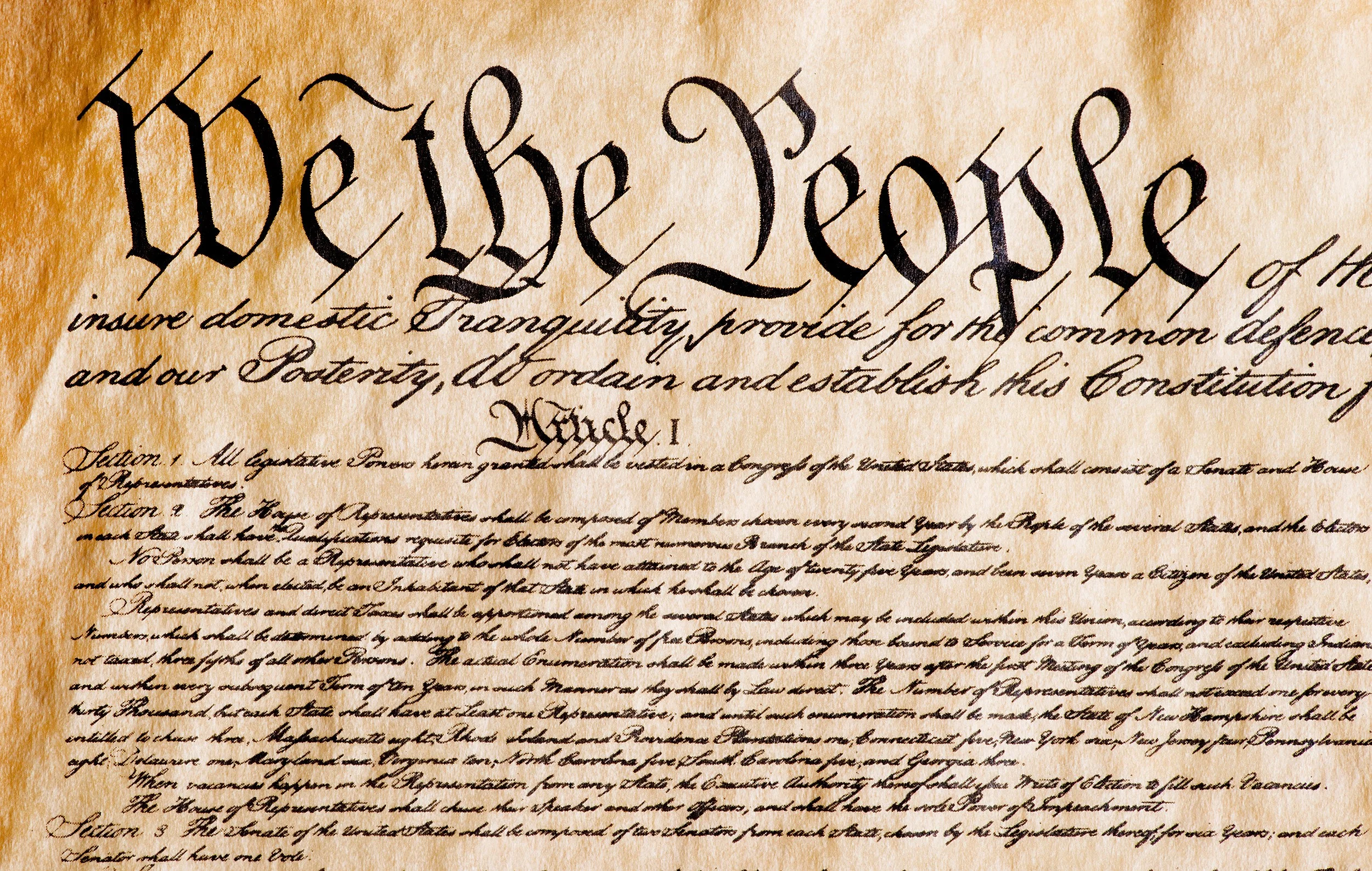
This isn’t really about Kirk or Kimmel. It’s about a country that claims to champion free speech while quietly deciding who gets the mic and who doesn’t. As long as America keeps confusing control with freedom, our First Amendment will be little more than a slogan—loud, but empty.
When only certain voices are amplified while others are muted, or when tragedies are overlooked unless they fit a narrative, we lose the foundation of what free speech is supposed to mean. The First Amendment was never designed to protect only the popular, the profitable, or the politically convenient. It was designed to protect all expression, especially the voices that challenge us or force us to look at uncomfortable truths.
Until America realigns its priorities, we’ll keep mistaking “curated speech” for “free speech.” And in doing so, we risk silencing the very voices that remind us what freedom is supposed to sound like.