
Author's Page
Learn more about Alinea Kirshenbaum and get to know the person behind the posts you have read.

Alinea Kirshenbaum has been a Running Start student attending Highline since fall 2024. She has been published on other media platforms, such as the Jewish Telegraphic Agency through their Teen Journalism Fellowship and an online legal magazine created by and for teens called The Legal Pad. She was the second-place winner of the 2025 Highline Poetry Contest and the third-place winner of Yale University Press’s 2025 Jewish Lives Prize. She loves theatre and songwriting, and when she isn’t in the newsroom or class, you can likely find her rehearsing for Federal Way High School’s next play or musical. Alinea plans to major in Political Science and transfer to a four-year university. She started writing for the Highline Thunderword in the spring of 2025.
Alinea Kirshenbaum's Recent Posts:

After much anticipation for his fourth studio album, Harry Styles released “Kiss All the Time, Disco Occasionally,” on Mar. 6. His lead single “Aperture” set the tone for this new era of embracing dance sounds while still holding on to his signature pop flare.
Although this album received mixed reviews, with the overarching theme of these reviews being that this album was spectacularly “okay,” I found this album to be inspired and fun. While his vocals are more muted throughout this album in comparison to previous projects, there are still occasional moments of lyrical impact.
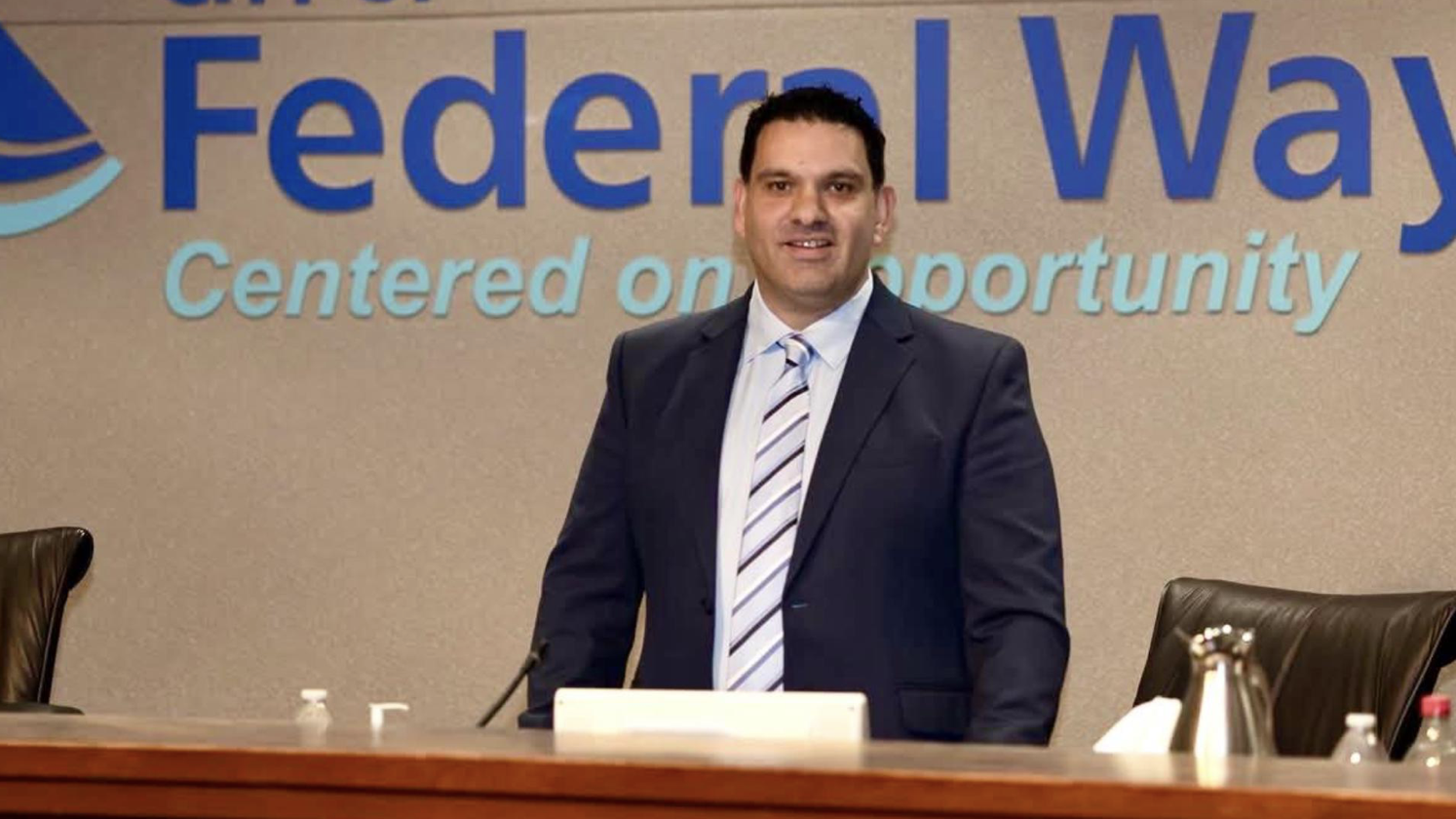
On Feb. 10, the Federal Way City Council held a meeting where members voted on removing the then City Council President, Martin Moore, from his position as president due to concerns regarding misuse of platform and partisanship.
This vote occurred in the wake of a FaceBook post Moore made with comments regarding student walkouts in Federal Way. While this vote is painted as being presented with partisanship in mind, the subliminal messaging here is alarming.

“Here There Are Blueberries” is a documentary-style play from the Tectonic Theater Project about a U.S. Holocaust Museum archivist’s experience receiving a Nazi-era photo album depicting life in Auschwitz from the perspective of the officials who ran it.
This play forces audience members to confront their own humanity, making viewers wonder if they would commit the same actions as Nazi officers if given the right circumstances.

During the past couple of weeks, local high schoolers have organized student walkouts in protest of the United States Immigrations and Customs Enforcement (I.C.E.) These walkouts are part of a statewide, student-led movement to get as many high schools as possible to participate in walkouts in protest of I.C.E.
Federal Way High School’s walkout was on Feb. 5, and had a turnout of hundreds of students who walked out of class to protest up and down Pacific Highway near the high school.
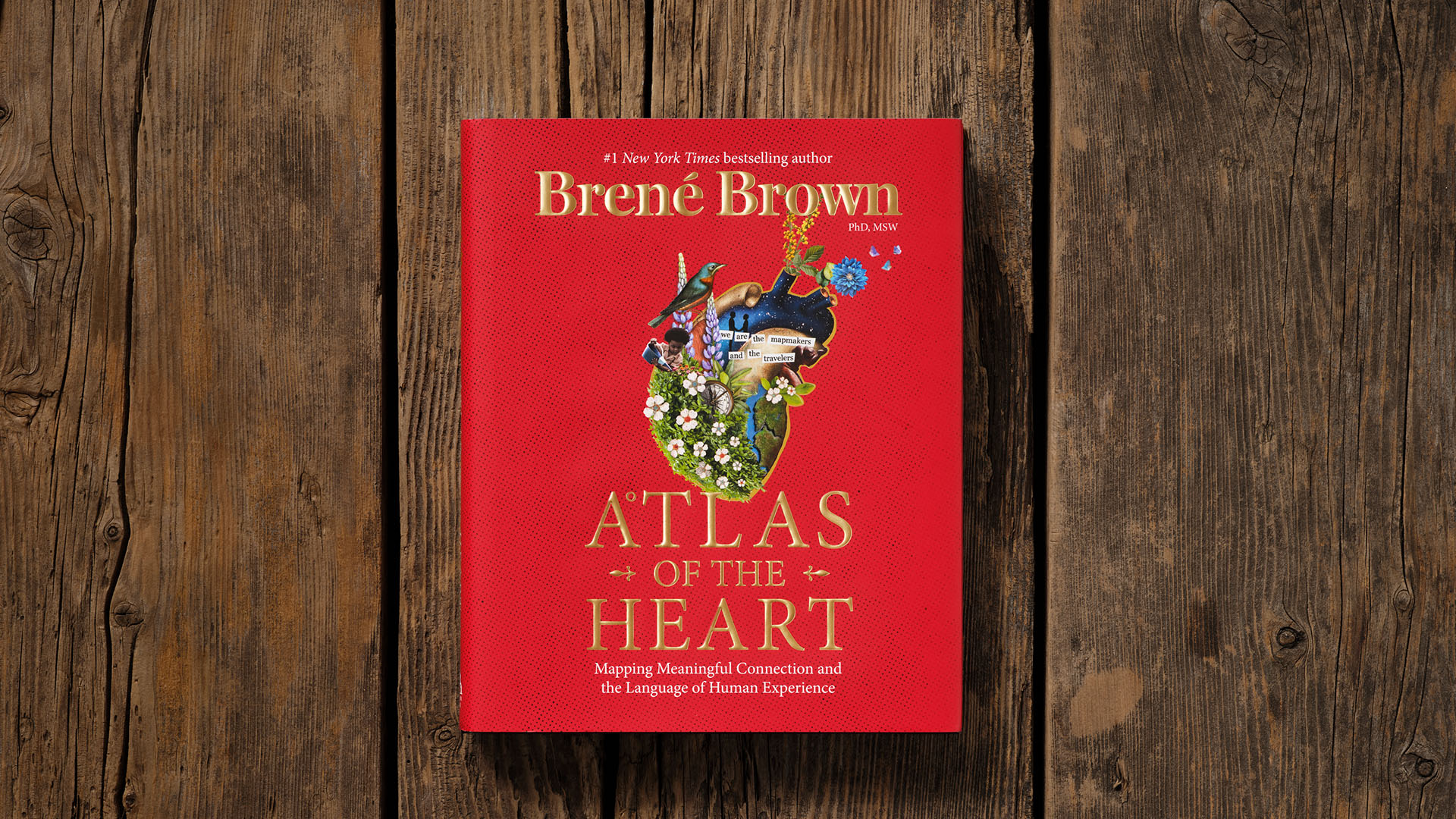
In Brené Brown’s “Atlas of the Heart”, Brown emphasizes the importance of accurately identifying the nuances of one’s emotions, and knowing how to meet others where they’re at. “Atlas of the Heart” walks readers through 78 “emotions and experiences” that are key components of the human experience as a whole.
This book feels like one of the most important pieces that I have read in a while. From start to finish, I found that my preconceived notions regarding many emotions were challenged in many ways, forcing me to reflect on how I have viewed my emotional experiences, and the experiences of others.

One of Robert F. Kennedy Jr.’s (RFK) most recent controversial public statements regarding public health is the new emphasis on meat and dairy on the food pyramid. While many experts agree with the decision to encourage people to consume fewer processed foods and added sugars, the emphasis on sources of saturated fats is raising alarm.
While RFK intended for this new pyramid to showcase the importance of avoiding “highly processed foods,” many nutrition experts are concerned that foods that are known to be significant sources of saturated fat are featured on the very top.

It’s not common that I have met someone who has heard of Sophie Scholl and her part in the White Rose resistance group. Until recently, I knew close to nothing about how the White Rose group resisted, but upon learning about Scholl and her peers, it seems there is a lot to be learned that can be applied to our modern-day heightened political environment.
Scholl and her peers should be included in every history curriculum.
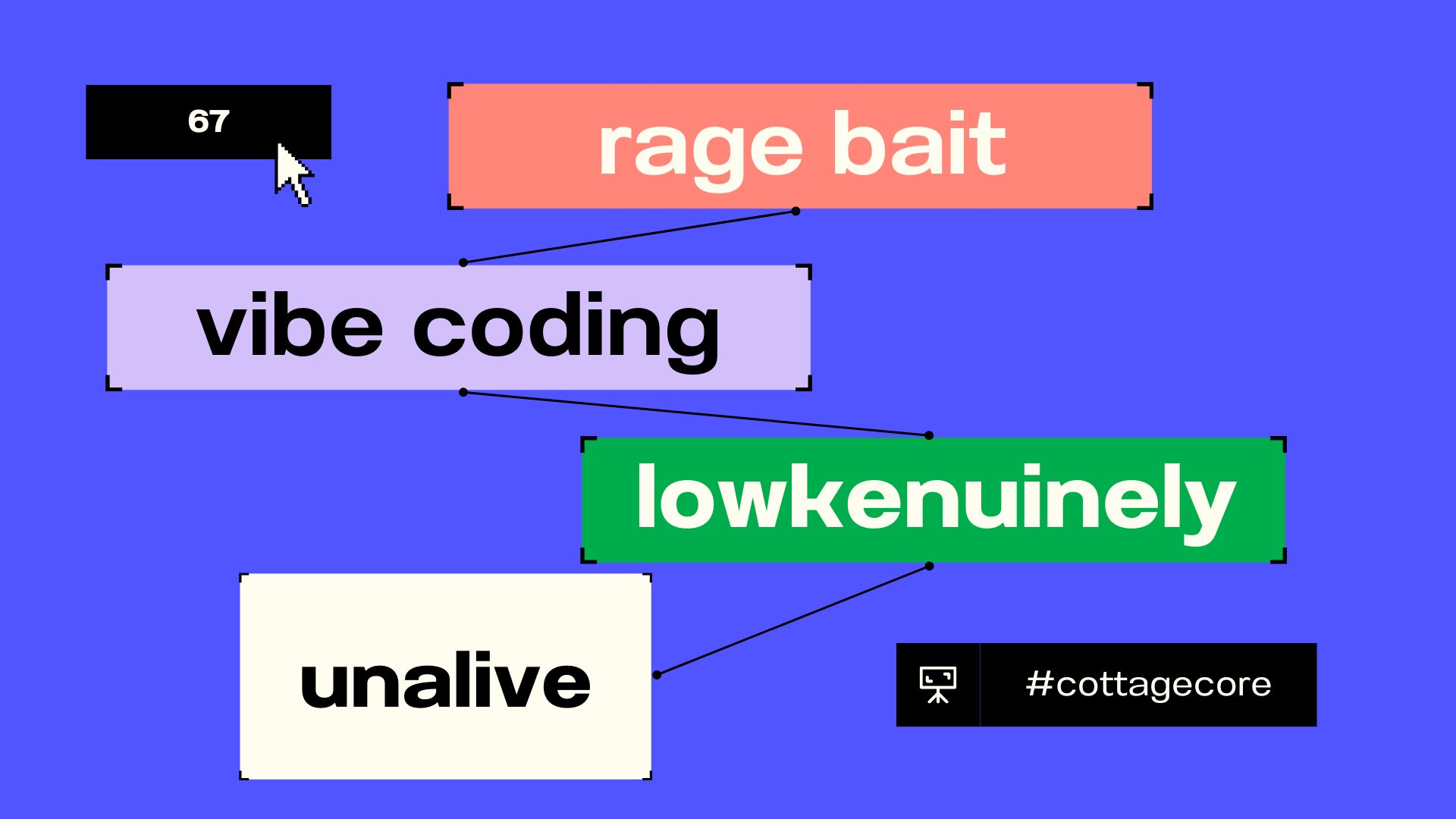
“Rage bait,” “67,” and “vibe coding” all have something in common: They were named Word of the Year by various dictionaries. Another thing they have in common: They are terms that have been pushed by social media algorithms that have made their way to common usage.
Social media has a big influence on our language. The way many people talk online is often different from the language used during in-person interactions – at least that used to be true most of the time. Recently, the language and slang used on social media has seeped into real life conversations more than ever before.

Every year at the end of Thanksgiving, I say my goodbyes to my family members, and the moment the door closes behind the last guest, I connect my phone to a speaker and play Christmas music. Classic tunes surround my family as we begin cleaning up and getting ready for the next phase of the holiday season: Chrismukkah.
While it might not seem obvious, listening to Christmas music is actually a very Jewish pastime because most of the creative minds behind popular holiday hits are Jews.

I was pursuing a bookstore one day, when a novel in the corner caught my eye. While I know not to judge a book by its cover, I couldn’t help myself. The striking cover with the famous painting “The Great Wave” by Katsushika Hokusai splashed across, with rainbow letters reading, “Tomorrow, and Tomorrow, and Tomorrow” stopped me in my tracks. The title was mysterious, yet familiar, and I felt that I had no choice but to bring the book home.
“Tomorrow, and Tomorrow, and Tomorrow” by Gabrielle Zevin is a novel from 2022 that follows two childhood best friends Sadie Green and Sam Masur over the course of decades, in their exploits as video game designers and later business partners in their business called “Unfair Games” that they founded with their friend, Marx.

Federal Way High School celebrated Hispanic Heritage Month with a school-wide assembly back in October, which sparked controversy when an outraged parent informed a local conservative media outlet about their “concerns”.
The content that sparked controversy was an AI-generated video that challenged the idea of what it means to be “illegal”. The video showed the perspectives of indigenous peoples from Latin American countries sharing that if they are indigenous, how can people call them illegal? Can you really consider anyone to be illegal when we live on stolen land?

The Federal Way High School Drama Department has been busy preparing for their run of “The Diary of Anne Frank.” The show opens on Nov. 14, and it will feature some Highline College Running Start students in its cast and crew.
These Highline students include Alinea Kirshenbaum, who will play Anne Frank, Avi Taylor, who will play Otto Frank, and Gale Miller, who is the Stage Manager Senior Trainer.

“Chicago” tells the story of rivaling Vaudeville performers in Chicago, Velma Kelly (played by Claire Marshall) and Roxie Hart (played by Ellie Roddy), and their endeavors with men who have wronged them and the criminal justice system.
After seven years, Chicago finally hit a stage in Seattle (the 2020 tour stops were cancelled due to the global pandemic) at the 5th Avenue Theatre from Oct. 22 – Nov. 2. Simply put, this show was worth the wait.

With the holiday season comes leaves changing color, sweaters pulled out of storage, the music of Vince Guaraldi Trio playing in the distance, and the beginning of Snoopy Mania. While a beloved cartoon Beagle since his inception, Snoopy has ascended to a new level of popularity adored across generations.
In recent years, Charles Schulz’s iconic “Peanuts” comics and cartoons have found a place in the hearts of Gen Z. In particular, Snoopy has become an icon, representative of cuteness, nostalgia, and positivity.

Rebecca Skloot’s “The Immortal Life of Henrietta Lacks” provides an important perspective on consent with cell culture by examining the family of Henrietta Lacks. Should researchers be allowed to use cell samples for scientific research without patient consent? The knee-jerk reaction might be a resounding “No!” This topic is actually much more nuanced than that.
Henrietta Lacks was a Black woman from Baltimore who died of cervical cancer in 1951. During the treatment for her cancer, a sample of her cells was taken without her knowledge. These cells would later be cultured by Dr. George Otto Gey to form the famous HeLa (short for Henrietta Lacks) cell line. This cell line was the first and most prominent cell line to be immortal.

I love pop music. Every time an artist like Taylor Swift, Olivia Rodrigo, or Billie Eilish announce an album, I immediately pre-save, pre-add, and pre-order. I am also an avid vinyl appreciator. I love the feeling of physically holding music and slowly lowering the needle of my record player and immersing myself in the catchiness of pop that has defined my girlhood.
At least, that’s how it used to feel when artists would simply come out with one standard vinyl, and then maybe announce a deluxe version a few months later. Now, it seems every artist is releasing numerous versions of each album, sometimes with the only difference being that each vinyl is a different color and the album cover is a different image.

Growing up, I looked forward to Saturday nights. Even at an age where half of the jokes went over my head, “Saturday Night Live” was an important part of my weekly routine. When the pandemic hit, it became a weekly lifeline, providing a bit of relief in times of political polarization and widespread misinformation.
Last Saturday, “Saturday Night Live” returned after a summer-long break. While the cold open addressed Trump and mocked his criticism of late-night television, the rest of the episode hardly mentioned him at all, a stark contrast to past seasons. After recent pressure from FCC Commissioner Brendan Carr, which led to a temporary suspension of Jimmy Kimmel’s show, I can’t help but think that this is no coincidence.

At a recent White House press conference, Donald Trump, with Robert F. Kennedy Jr. in tow, publicly stated that taking Tylenol during pregnancy can cause autism in children, despite this claim being widely unsupported by science.
In the Sept. 22 press conference, Trump stated that “taking Tylenol is not good — I’ll say it: It’s not good,” and further asserted that communities without access to Tylenol have “no autism.”

When you think of tuberculosis (TB), historical images might come to mind. Perhaps you remember it in instances of pop culture, such as in the musical “Moulin Rouge”. Why is the topic of TB even still relevant?
Well, it has a bigger impact than one might think.
John Green’s “Everything is Tuberculosis” is one of the most important books you will ever read.
Do you love theatre, watching musicals, listening to musical soundtracks, and discovering new shows? If so, then one of Highline’s newest clubs might be just the club for you! On Tuesdays from 4-5 p.m., in Building 7, the Drama Club will be meeting weekly starting June 10.
Drama Club is a space for students at Highline to socialize and discuss musicals, plays, and any other theatre-related activities that interest them.
The Public Broadcasting Service, or PBS, has always been an invisible string throughout my life.
When I was five years old, my grandmother passed away. Some of my last memories of her were in the hospital watching “Downton Abbey.” “Downton Abbey” became a source of comfort for my grandmother, for my mom, and me as we sat with her in the room. To this day, my mom and I will rewatch it, and every time, memories of my grandma come flooding in, even though I knew her for a short time.
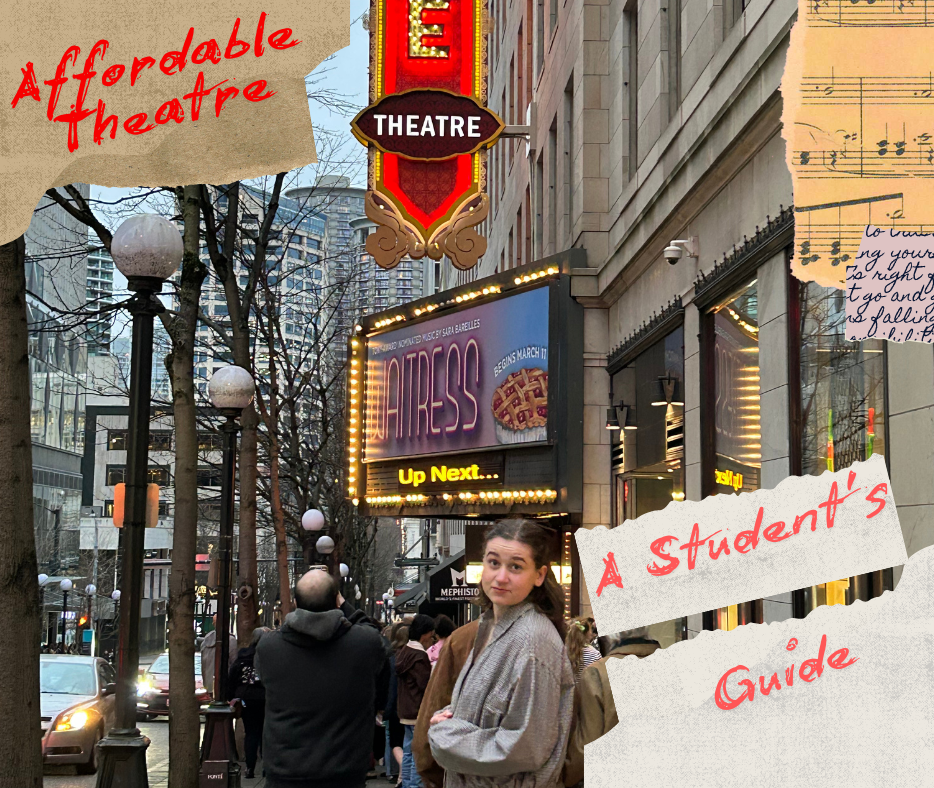
Nothing matches the feeling of being in a crowded theatre, the lights going low, and everyone putting away their cellphones for a few hours. While theatre is a magical place, the price of tickets can oftentimes be not so magical, especially for students.
The great news is that many resources are available for students to access theatre at reduced prices and sometimes for free! As a self-proclaimed theatre kid who loves a deal, here are my top suggestions for accessing affordable live theatre.
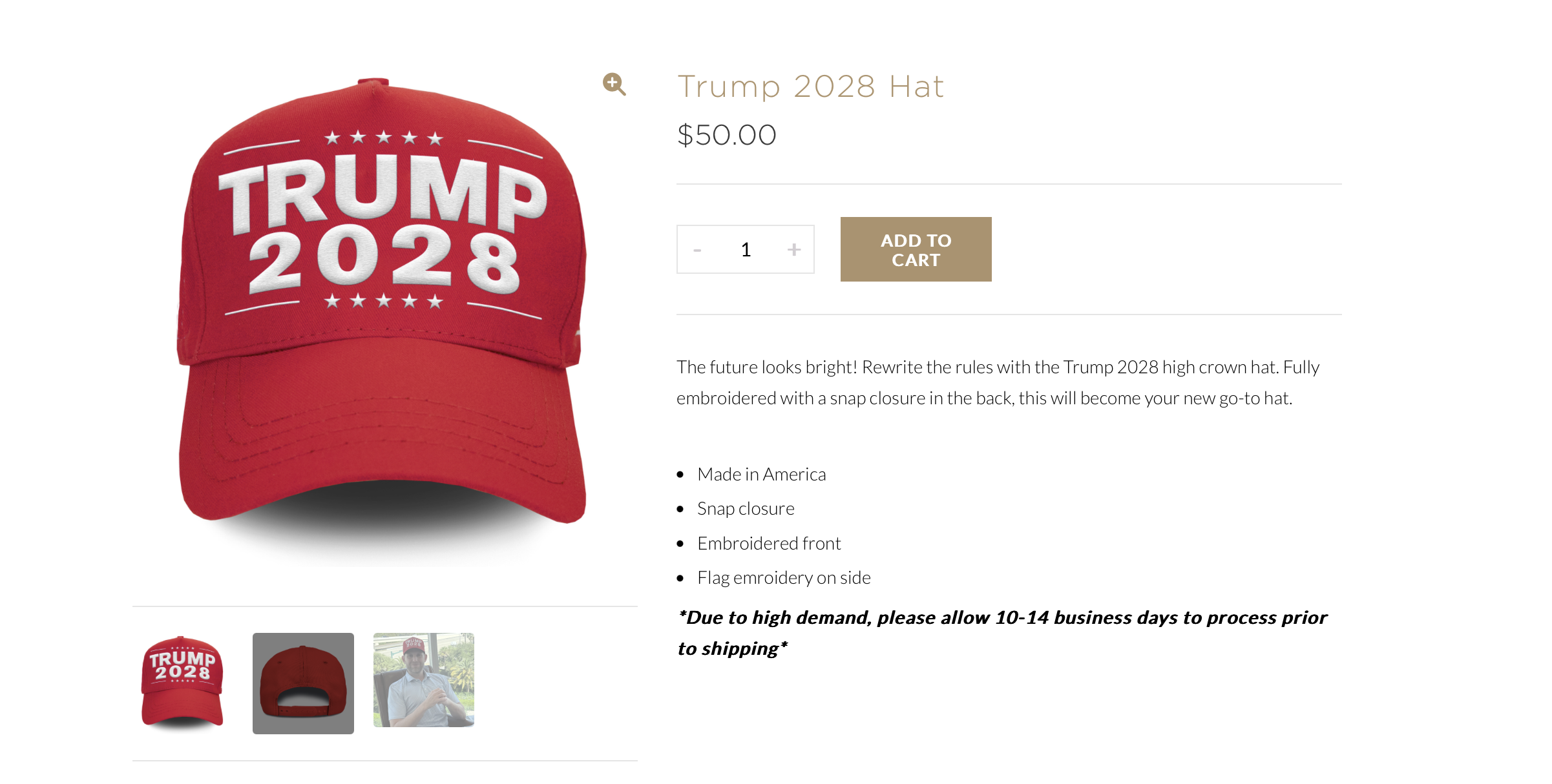
According to President Donald Trump, “a lot of people” want him to run for a third term, but I’m not so sure.
Now, we are just past the first 100 days of Trump’s second term, and he’s already musing about the possibility of running for a third term, a statement that directly conflicts with the 22nd Amendment, which states that “No person shall be elected to the office of the President more than twice.”
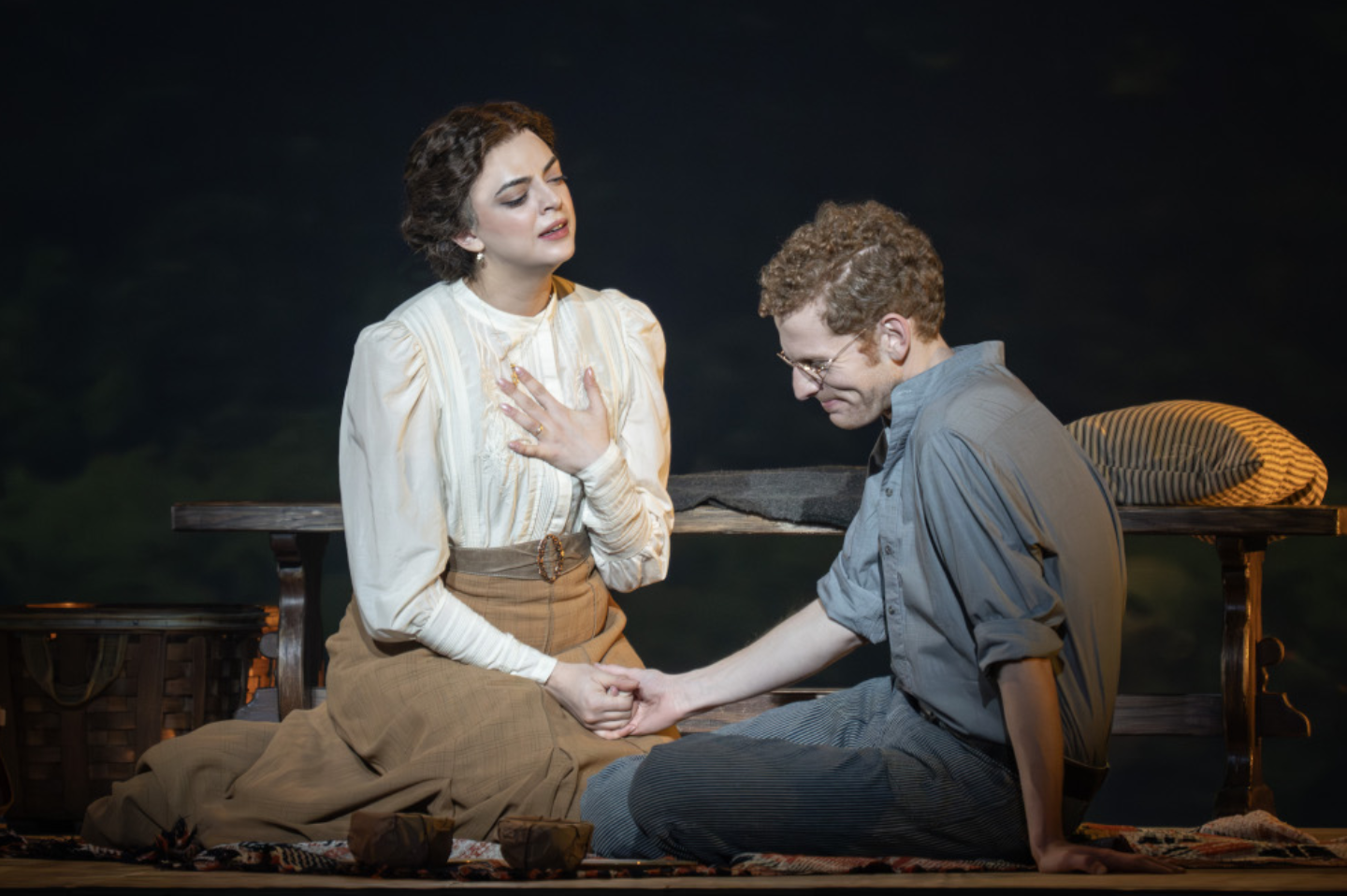
“Parade” tells the story of Leo Frank, a Jewish man who moved to Atlanta to pursue a career at a pencil factory in 1913. There, he met Lucille Selig, whom he later married. As a Jewish man from Brooklyn, Leo is portrayed as a man who often felt out of place even with his Southern Jewish wife.
Leo, who held a management position at the pencil factory, was later charged with the rape and murder of thirteen-year-old factory worker Mary Phagan.