
A new study discovered that dogs can tell the difference between several human emotions. While dogs have been known to recognize emotions, this is the first time scientists have discovered how they actually do this.
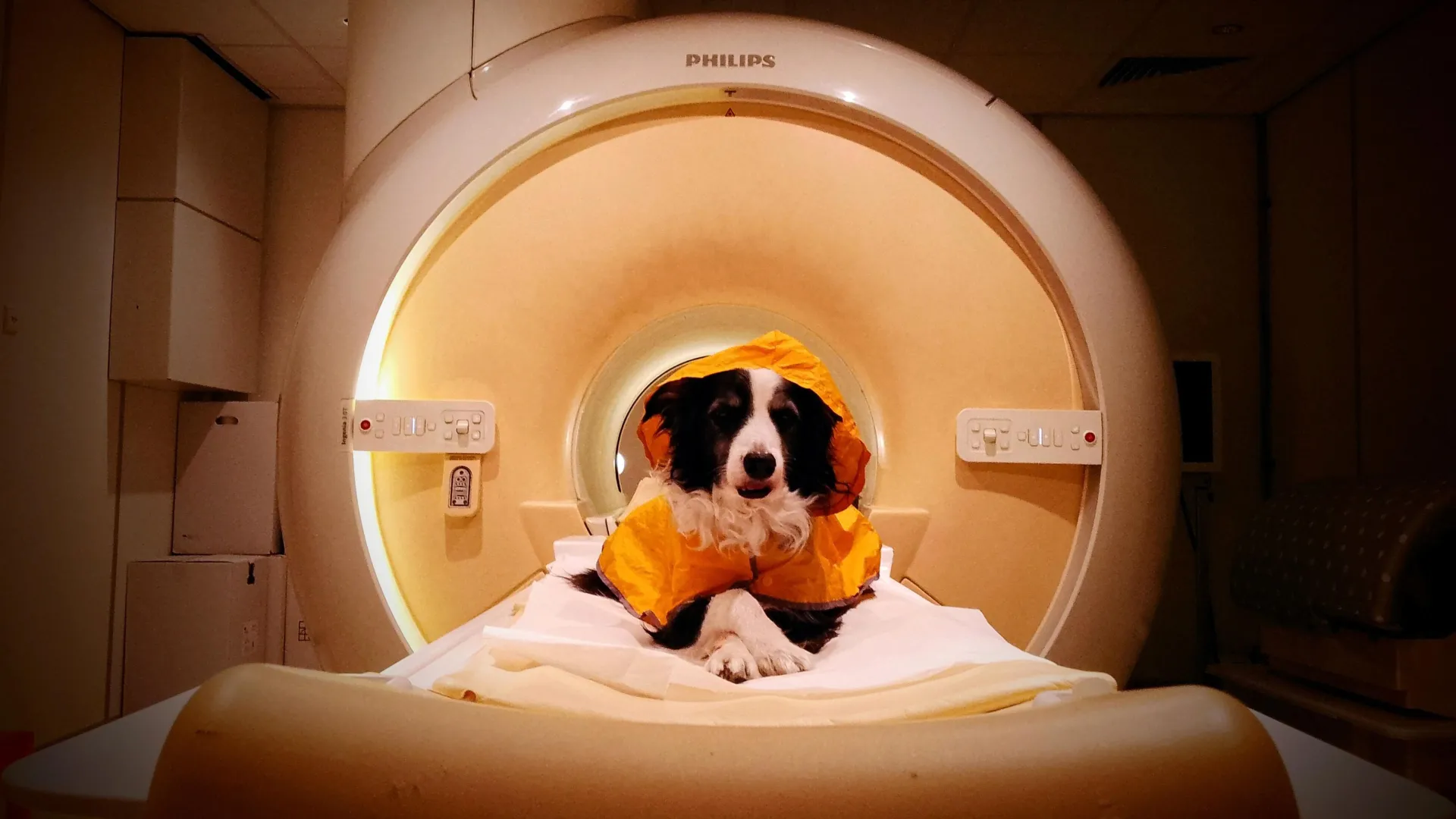
“Humans are really good at picking up small details on the face, and so are dogs,” says Raúl Hernández-Pérez from the University of Vienna. They monitored eight different dogs’ brains and showed them pictures of unfamiliar humans. The unfamiliarity of the photos shown allowed for less bias, as dogs become happy or excited when they see someone they consider their family.
When photos of happy people were shown, the temporal cortex and caudate nucleus had increased activity. The temporal lobe is used for processing emotions and visual recognition, like knowing faces or objects. The caudate nucleus processes higher cognitive functions, allowing for advanced reasoning and learning. These two areas lighting up shows understanding within the canines’ brains.
This is an impressive understanding of our emotions, especially since the way dogs express emotions can be the opposite of how humans do. For instance, in many other species, smiles don’t mean happiness, they mean submissiveness or even aggression.
They conducted another experiment to see if this recognition applied to emotions other than happiness. They tested 12 dogs this time showing happiness, sadness, anger, and fear on different faces.
“The dogs did not respond to all negative expressions in the same way. Activity in the temporal cortex and caudate nucleus network was particularly distinctive,” the article says. While this isn’t evidence that dogs can experience the same emotions as we do, they are able to differentiate them from humans.
“I would like people to see dogs as emotional beings,” says Laura Cuaya, a Postdoctoral Fellow at the University of Vienna. “They have evolved with us to understand our expressions and cooperate with us, and recognizing that can change how we communicate with and care for them.”
Further advancements in this line of research will go into depth on how dogs combine different brain signals to interpret the people around them. Scientists also mentioned that stray dogs are likely to have a different relationship with human emotions, and thus a study on them might have different results.