
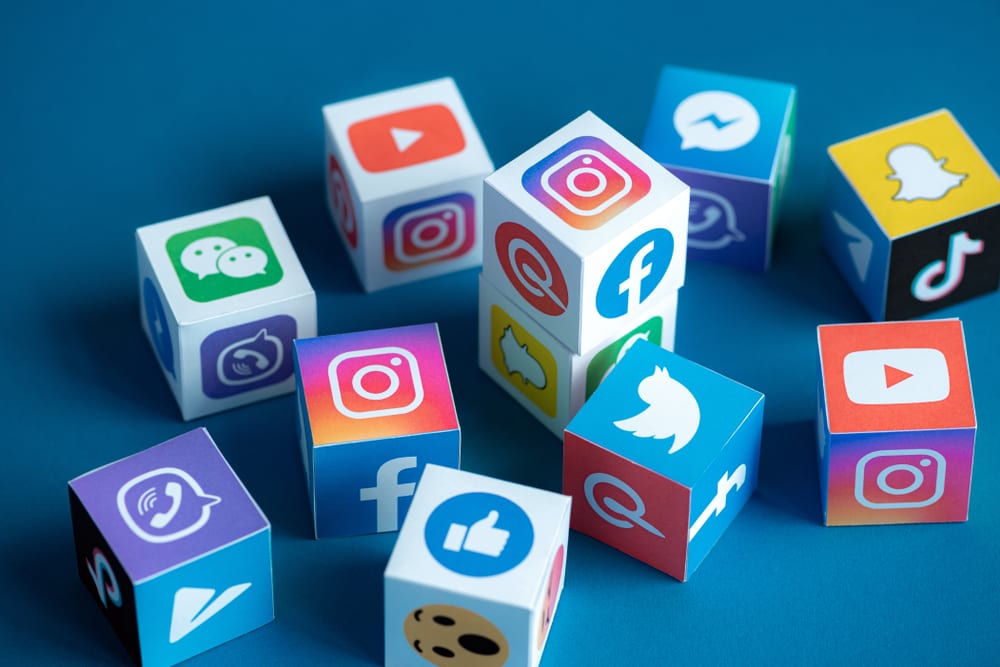
At Highline College, the scroll never really stops. In the classrooms, study rooms, and even between lectures. What can look like harmless downtime is something much bigger. Social media is shaping how students see themselves and not for the better.
Social media was created to connect people, yet instead, it has become a comparison machine. For many college students, that comparison is quietly damaging their confidence.
“I’ll be having a good day, and then I open Instagram,” said one Highline student who requested to remain anonymous. “And suddenly I’m comparing my body, my clothes, even how productive I’ve been.”
One scroll can become multiple posts of perfect skin, perfect routines, and perfect lifestyles. On TikTok, lifestyle influencers wake up early, follow strict schedules and somehow balance school, work, and a social life all on camera. The message college students could get from this is the idea that they’re not doing enough and could always be doing more.
“I had to even take a break from TikTok during finals,” the Highline student said. “Everyone looked like they had their life together, and I was struggling during the finals. It honestly felt like I was left behind.”
That feeling of always being behind is exactly the problem.
This isn’t just happening at Highline College. More than 5 billion people worldwide use social media, according to the 2026 social media report. Among young adults, social media usage is really high. Platforms are designed to keep people scrolling, comparing, and engaging for as long as possible. The longer we stay, the more we compare, and the more we consume.
Studies have repeatedly linked heavy social media use to higher levels of anxiety and depression, and lower self-esteem, particularly among young adults. When students spend hours every day scrolling through carefully edited “perfect” moments online, feeling insecure is no longer just an individual issue, it becomes something that affects an entire generation.
Even though students understand that influencers edit their videos and use filters, this awareness does not prevent the online content from influencing how they think and feel.
“I know it’s not real,” the Highline student stated. “But when you see it every day, it can start to feel real.”
When people look for validation through likes and views, their self-worth can start to decline. A post that does not get much attention can feel personal, and the silence online can feel loud. Confidence can start to depend on an algorithm instead of real growth.
Social media builds communities and brings people together. But it can also cause more harm than good.
If social media is affecting how you see yourself or causing negative thoughts, you are not alone. Support is always available through counseling and wellness resources here at Highline College. Counselors are always available to meet with students and you can reach out to them by making an appointment Monday through Thursday from 9 a.m – 3 p.m.
Confidence should not depend on who double-taps a photo. It should grow through effort, mistakes, and progress that do not need to be posted online. Highline students work hard, many balance school, jobs, and family responsibilities. They are building their futures that may not always look perfect on social media, and it doesn’t have to.