
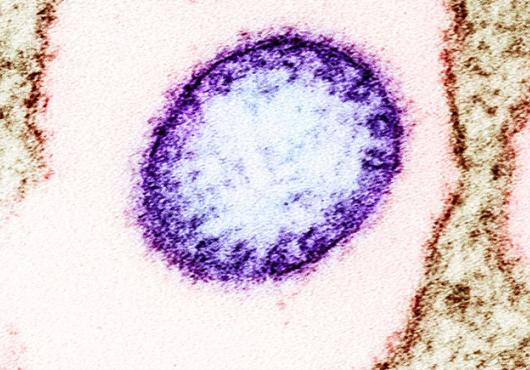
Recently, two confirmed reports of the Nipah virus have been made in India. The two confirmed cases are healthcare workers exposed to the virus in a laboratory setting in West Bengal. Both cases have been contained, with one still in critical condition. This virus is a special concern for many as it draws similarities to another, fairly recent highly infection virus.
The main issue with the Nipah virus is that it can potentially cause encephalitis, which is the inflammation of the brain. Most of the deaths come from seizures and comas, where the brain is too inflamed and stops functioning properly, making specific aid for the virus quite difficult. The World Health Organization (WHO) states, “While there are no specific treatments for Nipah, early diagnosis will promote early supportive care.”
Which means, rather than specific care, general aid is given, such as oxygen support, identifying brain inflammation, organ support therapies, and a sufficient diet. The main way that people survive from the virus is early identification and the use of these non-specific treatments. Until there is a vaccine for the issue or other treatments, there needs to be a highlight on early identification and non-specific treatment.
Since there is no vaccine or specific treatment for the Nipah virus, what can be done to prevent the spread and to raise awareness about the issue? Well, first of all, pay attention to the media and outbreaks. The recent cases of Nipah Virus are few, but these two cases could very well be the early stages of the virus before it spreads, so people need to make sure to stay sanitary and healthy.
The Nipah virus caused a major outbreak in 2024, resulting in 400 deaths in Asia. However, this virus actually originates outside of South Asia, and was first spotted in 1998 in Malaysa, traveling through Singapore, and now, only found in South Asia.
The Nipah virus is a zoonotic disease that comes from fruit bats who contaminate food or other animals, like pigs and horses. It also spreads through people. Crowded areas like hospitals or schools are the most vulnerable, which is why this most recent instance have caused extra airport screenings in South Asia to help identify any potential spread. Constant interaction and contamination happen in these areas, which leads to the spread of Nipah virus.

Springer Nature Link
High fatality rates, transmitted from bats, and started in Asia – all very similar to COVID-19, which brings up red flags. However, many people are unaware of the specifics of the Nipah virus.
An anonymous Highline student said, “I believe that they should quarantine people in places where there are virus outbreaks! I also believe that people should try to follow the best medical practices and be clean.”
The student’s advice is solid and quite similar to the advice for COVID-19, but what do the professionals and health organizations have to say about the issue? Well, a few symptoms to identify the virus are fevers, difficulty breathing, cognitive issues, and even problems with not being able to move limbs.
The WHO states, “Human-to-human transmission has been documented in previous outbreaks, mostly reported in health-care settings and among family and caregivers of sick people through close contact with bodily fluids. Implementation of adequate infection prevention and control measures in health care facilities is critical to mitigate health care associated infection.”
Even though this issue takes place in India and Bangladesh, raising awareness by sharing videos and promoting videos is beneficial. People need to understand the issue at hand and not undermine it, like with past viruses like COVID-19, where around the world, many people did not take it seriously at first.
If you have any relatives or friends who live in these regions, please inform them to make sure to stay extra careful with food products and sanitation.