
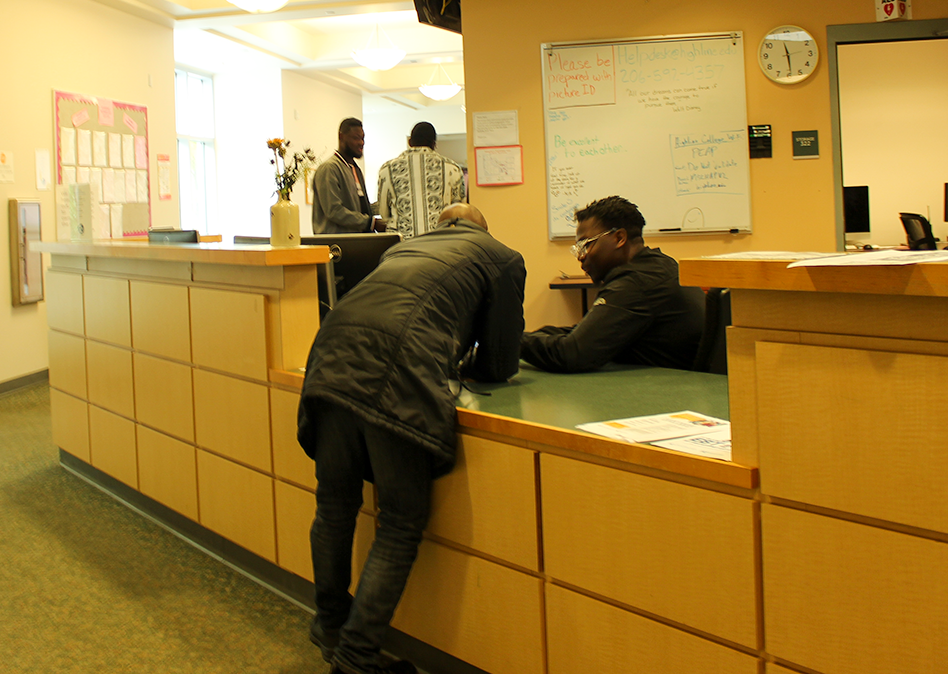
The Highline IT Department, led by Tim Wrye, is steadfast in its commitment to safeguarding the institution’s digital infrastructure against potential cyber threats. With Jennifer Jovanovich and Kyle Honnen on the team, the department has implemented robust security measures to protect sensitive information and ensure the smooth functioning of essential systems.
One pressing concern for any organization is the potential impact of a system hack. When asked about the consequences, Tim Wrye emphasized the proactive approach taken by the IT Department. “We have a number of systems in place that help prevent and detect intrusions,” he explained. “Some of these systems are designed to automatically revert any unauthorized changes made by an intruder, minimizing the potential damage.”
Regarding the security of Highline student information, Jennifer Jovanovich assured us that account permissions are strictly limited to the needs of each employee’s role and position. “Confidential student data is not stored in multiple systems within our institution,” said Jovanovich. “We utilize the Washington State Board for Technical and Community College’s ctcLink centralized system, which handles applications, enrollments, and more, ensuring the security and privacy of student information.”
In the event of a breach, Kyle Honnen outlined the department’s response plan. “We follow the five functions of the NIST Cybersecurity Framework,” he said. “This framework provides us with a continuous process to mitigate the effects of a breach and prevent similar incidents in the future.” Honnen emphasized that IT security is an ongoing commitment that requires constant vigilance.
Preventing a recurrence of a security breach is a top priority for the Highline IT Department. “We actively work to mitigate future risks by implementing preventive measures that address the specific methods used against us,” assured Wrye. By staying informed about emerging threats and continuously updating their security protocols, the department strives to stay one step ahead of potential attackers.
When it comes to ensuring the security of user accounts, the implementation of two-factor authentication (2FA) plays a crucial role. “We utilize Okta with multi-factor authentication (MFA) for various systems, such as Aviso and virtual private networks (VPN),” said Jovanovich. “We are consistently working on enabling MFA for other systems, and we plan to offer Okta MFA as an option for students later this year.”
In the event of a security breach, determining the extent of unauthorized access is vital. The IT Department relies on system logs and reports from various security systems to investigate and identify potential breaches accurately.
As for protecting personal information in the event of an infrastructure compromise, the Highline IT Department acts swiftly and decisively. “If a compromise occurs, we promptly isolate the involved systems, regain control, and assess if any information has been exposed,” explained Honnen. “If there is any exposure, we communicate that transparently to the affected individuals. Our top priority is ensuring the safety and security of personal information.”
The Highline IT Department’s unwavering commitment to data security and their proactive approach to preventing and addressing security breaches underscores their dedication to protecting the institution’s digital infrastructure and the sensitive information it holds. With Tim Wrye, Jennifer Jovanovich, Kyle Honnen, and their team at the helm, Highline can feel assured that its IT systems are in capable hands.
For more information on Highline College’s IT Department and their commitment to cybersecurity, please visit their website at https://its.highline.edu/helpdesk/